
Frugal Living Tips for Beginners (That Actually Work)
Frugal living tips help when you’re trying to stay on budget. This is something that I have lived and thought through a lot in all my years of being a wife and mother.
Maybe you’re staying home with your little ones like I am, or trying to live on one income while juggling student loans, the electric bill, and the everyday cost of groceries. Maybe you’re trying to live simply because you want more peace in your home… not more clutter, more pressure, or more stress.

Frugal living isn’t about being cheap or depriving your family. It’s about choosing a way of life that helps you spend with intention, waste less, and create breathing room in the long run for what really matters. Making smarter choices for your future! It’s learning to make small changes that actually work in real life, especially when you’re tired, busy, and caring for little ones.
If you’re looking for frugal living tips that feel doable (and not extreme), here are the ones that have made the biggest difference for me and my family. Your mindset will have the biggest impact on your budget and financial goals.
Grab the Simple Financial Tracker to help you stay on budget
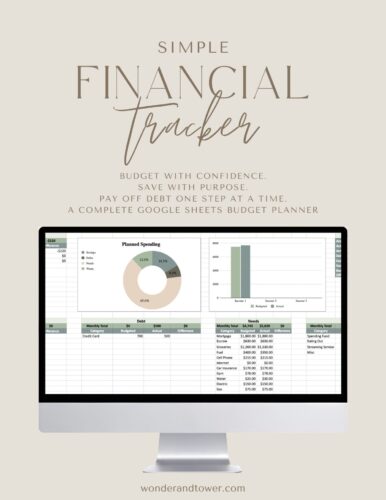
Finally know where your money is going.
Designed for busy homemakers managing real family budgets.
✔ Monthly Budget
✔ Debt Payoff
✔ Savings Goals
✔ Mortgage Tracker
✔ Easy Google Sheets Dashboard
1. Start with one spending habit
One of the easiest ways to get overwhelmed is trying to change everything at once. Instead, pick one area where you’re spending lot of money and focus there for a couple weeks.
A few common “money leaks” for young families are:
- impulse buys
- convenience foods
- extra trips to big-box stores
- random Amazon Prime orders
- subscriptions you forgot about
This is one of the best frugal tips to start because you don’t need a perfect budget system. You just need awareness and one small shift can lead to significant savings over the year.
2. Be careful with credit cards
We really like Dave Ramsey in our home, so we know what his ideas about credit cards are. But credit cards can be helpful in some instanced, but they can also quietly create stress if you’re using them to get through the week.
It’s easy to swipe for groceries, diapers, or a “quick stop” that turns into a cart full of things… and then suddenly you’re staring at a credit card balance you didn’t plan for. Over time, that turns into paying more than you ever wanted, and it can affect your credit score too.
If you’re trying to build a more frugal lifestyle, one of the best ways to start is to stop using credit cards for everyday spending and focus on paying down the balance. It’s a slow process sometimes, but it makes a huge difference in the long term.
Even small steps help:
- make an extra payment whenever you can
- avoid adding new charges
- set a simple weekly spending limit
- get rid of it completely
3. Use gift cards to create some boundaries
Gift cards can actually be one of the easiest money-saving strategies, especially if you tend to overspend at certain stores.
Try buying a gift card for the grocery store each week for the exact amount you want to spend. When it’s gone, it’s gone. No guessing. No “just one more thing.” It creates a natural limit that feels simple and clear.
This is also a great way to control spending at big-box stores if you’re tempted by all the “good deal” displays and seasonal aisles. We have used gift cards in the past to help budget for gas and eating out. It really does help!
4. Grocery shop for the meals you actually make
This might be the most one of the practical frugal living tips on the whole list. Your grocery bill.
So many of us grocery shop with an “aspirational” plan… and then real life happens. You get a long day, the baby is fussy, the kids are starving, and suddenly the convenience foods start calling your name.
A great way to cut down on food waste and spending money is to plan meals that match your real schedule. Try this simple grocery shopping rhythm:
- 2 easy dinners
- 2 repeat dinners (leftovers count!)
- 1 “use what we have” night
- simple breakfasts and snacks
This keeps grocery shopping realistic and helps you stop spending extra money trying to “fix” a week that got away from you. Make sure that your staples are healthy and filling, and you will be able to just rotate those easily!
For meal planning ideas, try my A Simple Guide to Family Meal Planning on a Budget
5. Stop paying for convenience foods
Convenience foods are one of the biggest budget drains for young families. Individually, they don’t seem like a big deal or very little money, but they add up fast, especially over the course of a year.
A few swaps that can save you much money:
- buy ingredients instead of pre-made snacks
- skip individual drinks and grab a bigger pack
- keep “easy meals” stocked for busy nights (this is essential for sports moms!)
Some of my favorite “easy way” meals when I’m busy or tired:
- scrambled eggs + toast
- grilled cheese + soup
- baked potatoes
- pancakes for dinner
- rice bowls with whatever you have
- one-pot pasta
- sheet pan dinner
This is one of those frugal living tips that really works because it makes life easier, not harder.
6. Reduce food waste with one simple habit
Food waste is like throwing money straight into the trash. The best way to fix this isn’t a fancy system, it’s just using what you already have before you buy more.
Try this:
Before grocery shopping, pick 3 things in your fridge that need to be used up.
Then plan one meal around them.
This tiny habit saves so much money over time and helps you stretch what you already paid for.
For meal prep tips, checkout How to Create a Nourishing Weekly Meal Prep Rhythm
7. Buy fewer household items
Paper towels feel like a small purchase… until you realize how often you’re buying them.
If you want to save in the long run, switch to:
- a stack of cheap washcloths
- old towels cut into rags
- reusable cleaning cloths
You don’t have to quit paper towels completely. Just use them less often. Little things like this add up more than you think.
8. Be intentional about detergent use
This is one of my favorite frugal living tips because it’s such an easy win. Most of us use way too much detergent. It doesn’t make clothes cleaner and it just costs more money and can even build up in fabric.
Try using about half the amount you normally pour. It’s a small change that saves money without changing your life at all.
9. Shop second hand first (especially for kids)
Thrift stores or consignment shops are some of the best places to find good quality items for a fraction of the price.
Kids grow fast, clothes get stained, and toys get played with hard. Buying second hand is such a great way to save money when you have kids, and one of my favorite money-saving tips. You can find amazing deal on barely won children’s clothes.
Look for:
- kids clothes and shoes
- coats and seasonal gear
- books
- toys
- kitchen basics
This is one of those “simple things” that previous generations did naturally and it still works great. We have also done a clothing swap with mom friends and everyone benefitted so much!
10. Set a “fun money” limit so you don’t feel deprived
One reason frugal people stick with their habits is because they leave room for joy.
If you try to cut out everything, it’s easy to feel resentful and quit. Instead, set a small amount each week for fun. Make it something that fits your budget and keeps you motivated.
That might look like:
- $10 for coffee or a treat
- a thrift store trip
- a small hobby item
- a family movie night snack
It doesn’t have to be much. It just needs to feel doable and makes you feel like you aren’t working so hard for “nothing”. You can also save that $10 per week until you have a good chunk to get a bigger item.
11. Stop the scroll-spending cycle
Social media has a way of making “normal life” feel like it isn’t enough.
You see new clothes, home upgrades, trendy products, and perfect routines, and suddenly you feel behind. That pressure leads to impulse buys, even when you don’t have extra money.
A money-saving tip:
- If you feel tempted to spend, pause for 24 hours. If you still really want, then go buy it or save up for it.
- Sometimes you can just put it in your cart for a while and then realize you don’t need it, and then walk away.
Most of the time, you won’t even want it the next day.

12. Watch the sneaky spending: I’m looking at you happy hour, subscriptions, and little treats
It’s not always the big purchases that wreck the budget. It’s the small things that happen again and again.
A few common “budget drips”:
- happy hour (even once a week adds up)
- subscriptions you don’t use
- extra snacks at the checkout
- small “just because” purchases
Even adjusting one of these can lead to significant savings by the end of the year. I’m not saying that grabbing a fancy cup of coffee is whats wrecking your budget (this is my favorite treat!), but I am saying to monitor how often you do it. Even cutting it back to only a few times can add to your savings account.
13. Build an emergency fund (even if it starts tiny!)
If you’re living paycheck to paycheck, the idea of saving can feel impossible. But this is one of the most important things you can do!
Start small:
- $20
- $50
- then onto $100
- then one week of expenses
Keep it in a savings account and don’t touch it unless you truly need it.
An emergency fund protects you from needing credit cards when life happens… because it always does! Start small and just do your best to watch it grow!
14. Practice “no-spend weeks” when you need a reset
If you’ve had a month where spending got away from you, a no-spend week is a great way to reset quickly.
For one week, try:
- no Amazon Prime orders
- no shopping area browsing “just for fun”
- no extra big-box store trips
- no impulse buys
Instead, use what you already have. Eat from your pantry. Borrow books from the library. Make your home cozy with small things that don’t cost anything. Enjoy the little things around you!
This is one of the easiest ways to find extra money without needing a complicated plan or taking extra jobs.
Related Post: The Sunday Reset: Create a Routine to Start a Calm Week
A frugal living tips reminder before you go…
Frugal living doesn’t mean you’re doing less for your family. It means you’re doing the best way forward… slowly, intentionally, and with grace.
As a stay-at-home, I use to wish I could find a job to make a couple hundred dollars when the budget was tight. And the I realized that if I would just cut back on spending, focus on cooking at home, I could save us that money without having to work outside the home!
You can start small. You can learn as you go. And you can absolutely build a more frugal lifestyle that works for your family and your long-term goals. Simple habits really add up in the current economy. Take some time to think through how you can live more frugally! I would love to hear your ideas and frugal habits in the comments!