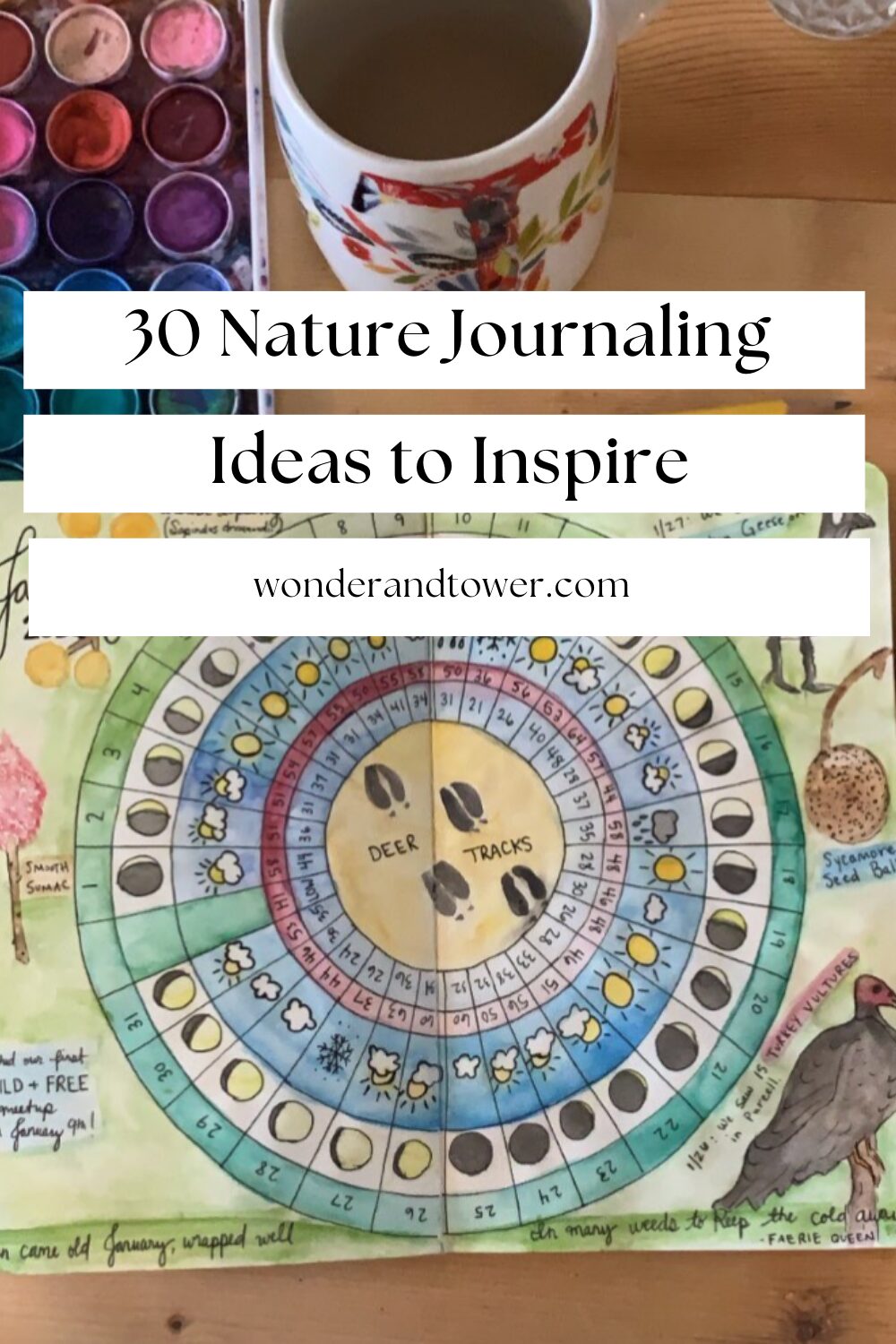
30 Nature Journaling Ideas to Inspire Your Homeschool
Enjoy these 30 Nature Journaling Ideas to inspire you!
Nature journaling is such a beautiful and meaningful way to help children slow down and notice the natural world around them. Chances are, you can find simple ways around you to explore. Like exploring your backyard, visiting a local park, or even heading out on small outdoor adventures. Try keeping a nature notebooks handy and allow children to record their discoveries and develop careful observation skills.
If you are new to this practice, you may enjoy reading my guide on How to Start Nature Journaling for Beginners, where I walk through the basics of beginning your own nature journal and building a simple habit with your children.
Shop Nature Journaling Supplies

Many homeschool families discover that nature journaling quickly becomes a favorite rhythm of their week. Inspired by naturalists like John Muir Laws, this simple activity invites children to observe, wonder, and reflect on the little things happening around them.
The best part is that nature journaling does not require fancy materials or artistic skills. Often all you need is a piece of paper, a sheet of paper in a notebook, and a pencil. Even quick sketches and simple notes can become treasured journal entries over time.
Quick Nature Journaling Ideas

If you're short on time, try one of these today:

- draw a leaf
- make a sound map
- sketch clouds
- observe an insect
- record the weather
30 Nature Journaling Ideas for Homeschool Families
If you are looking for good ideas to refresh your homeschool nature study routine, here are 30 nature journal ideas to inspire your next outing.
1. Create a Sound Map
Sit quietly in a given area and draw a small map of where you hear sounds around you. This classic sound map activity is a wonderful first activity for beginner nature journalers.
2. Sketch a Natural Object
Pick up a leaf, acorn, pinecone, or stone and make quick sketches focusing on general shapes and different colors.
3. Observe the Play of Light
Notice how sunlight filters through trees or reflects on the water. The play of light can make beautiful nature drawing inspiration.
4. Record the Weather Conditions Over Time
Write a simple journal entry describing the weather conditions and how the time of year affects the landscape. You can spend the month recording the weather and temperature even by just charting the colors you see outside.
5. Go on a Nature Scavenger Hunt
Create a list of nature finds to find such as feathers, smooth stones, or deciduous trees leaves.
6. Draw Something You Found Last Week
Return to a place you visited last week and see what has changed throughout the week.
7. Write a Short Story Inspired by Nature
Children can imagine a short story about an animal they saw during their mini adventure during the week.
8. Practice Pencil Miles
Nature journaling is a great way to build drawing confidence. The idea of pencil miles, taught by John Muir Laws, simply means the more you draw, the more comfortable you become.

9. Sketch Sea Creatures (Even If You Live Far From the Ocean)
Children can draw sea creatures from a favorite book or field guide. Sometimes exploring objects that aren’t native to you can ignite a passion you wouldn’t otherwise have.
10. Draw a Tree in Different Seasons
Return to the same tree throughout the time of year and record changes.
11. Observe Small Creatures
Watch ants, beetles, or birds and write personal reflections about their behavior.
12. Collect Nature Photos
If drawing feels intimidating, children can take nature photos and later sketch from them.
13. Draw the Same Object in Different Ways
Try drawing the same leaf using different ways such as outlines, shading, or labeling.
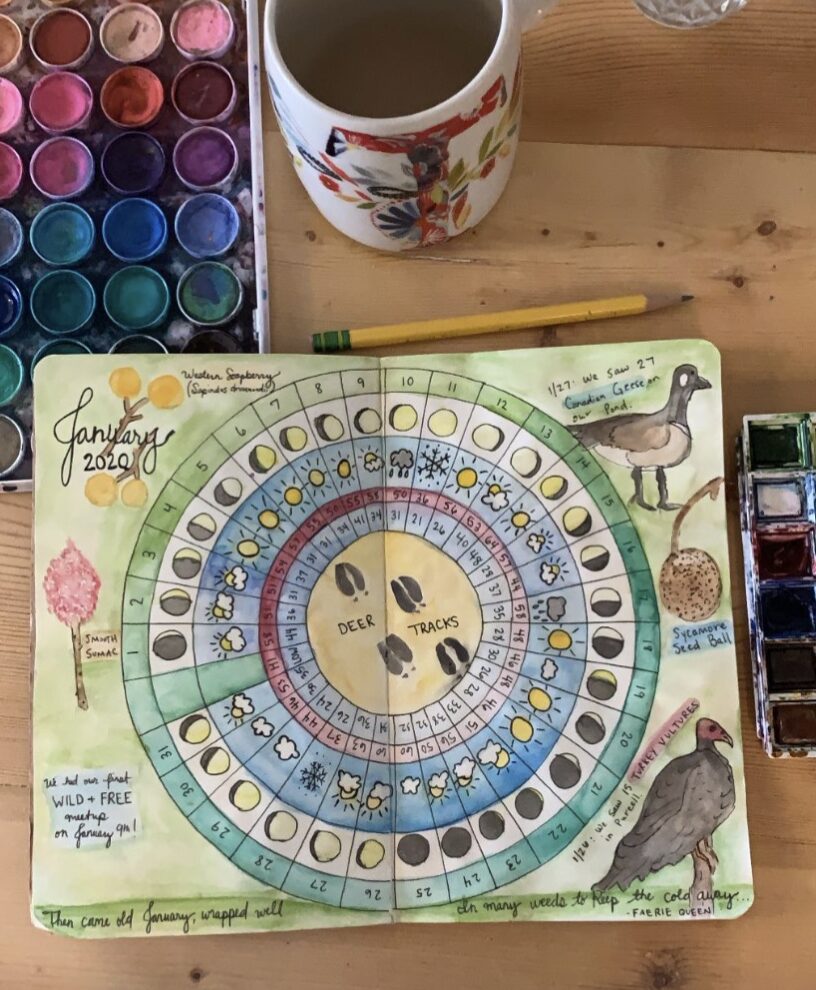
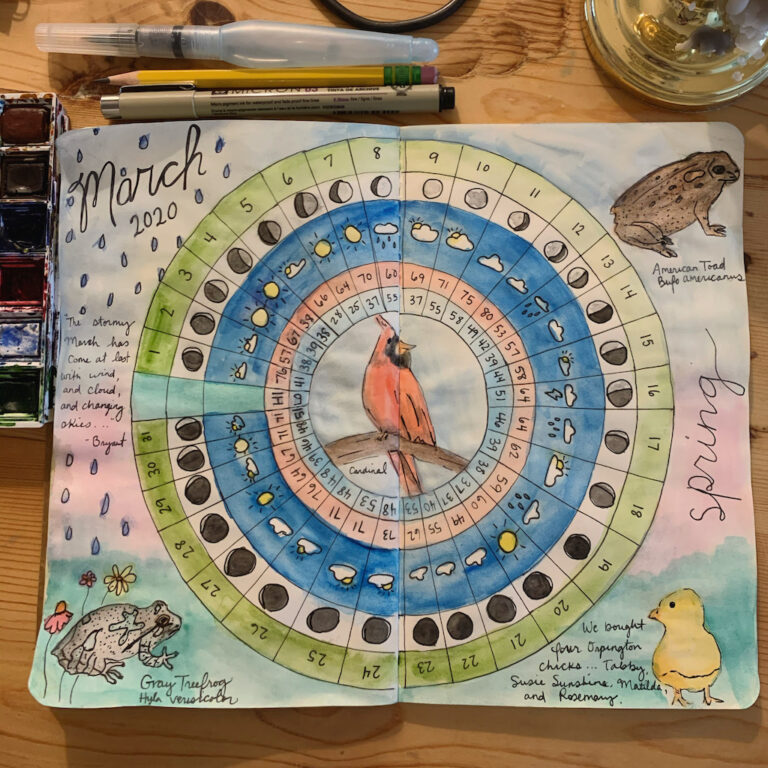
14. Create a Page Layout for Observations
Teach children to organize their own journal pages with titles, drawings, and notes. You can also use Phenology Wheel templates.
15. Record Nature Observations at a Local Park
A walk through a local park often reveals many little wonders. We use parks a ton for nature walks and there’s always so much to explore and discover.
More Homeschool Posts:

16. Study a Flower Closely
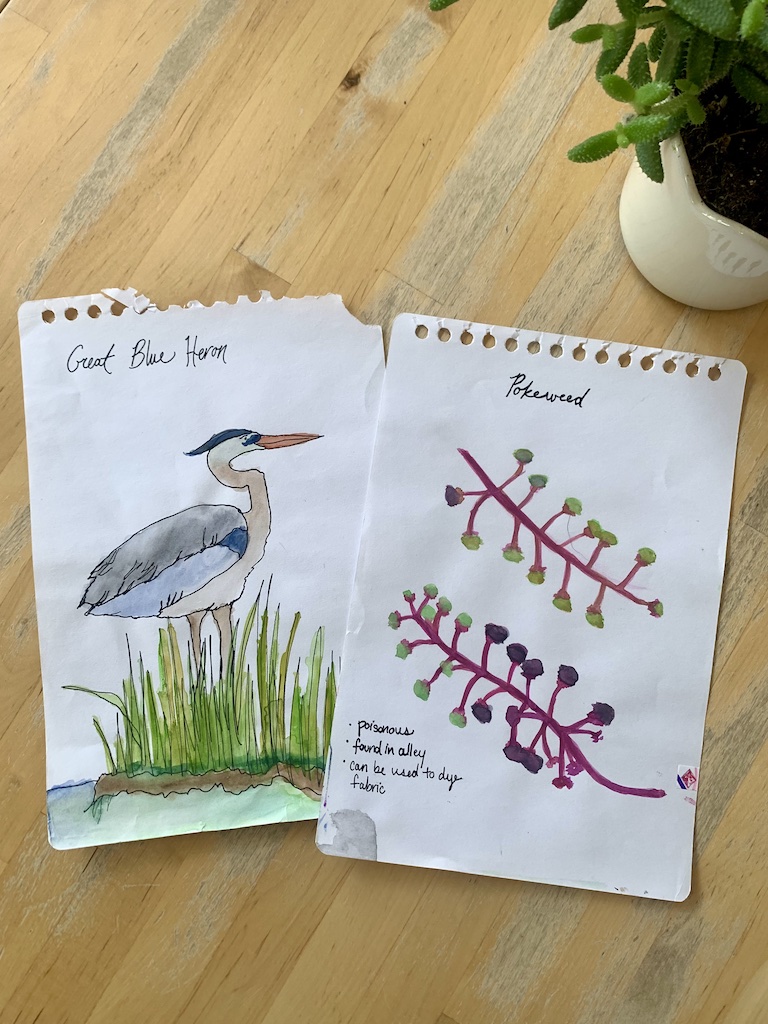
Draw the flower and label its natural processes like petals and seeds. You can use nature books and field guides for this if you want. I like having my children add the English and Latin name of the flower to their nature journal.
17. Listen and Record Audio
Older children may enjoy making audio recordings of birds or wind in the trees.
18. Draw from the Handbook of Nature Study
You can use Anna Botsford Comstock’s Handbook of Nature Study as inspiration for new topics. This is a thick book but an amazing nature resource. Don’t be intimated.
19. Explore Different Areas
Visit forests, fields, creeks, or gardens and compare what you see in different areas.
20. Create Pretty Pictures from Leaves
Arrange leaves or flowers on a piece of paper to create simple pretty pictures. You can use a flower press to get these dried and ready to create this. Nature Journaling Supplies can help get pretty pictures.
21. Draw Patterns in Nature
Look for patterns in bark, shells, or spider webs.
22. Write About Favorite Places
Encourage children to describe their favorite places outdoors.
23. Record the First Thing You Notice
Ask children to write the first thing they notice when they arrive somewhere. I like having a ‘Calendar of Firsts’ that Charlotte Mason suggests.
24. Study the Little Things
Tiny mushrooms, insects, or moss can reveal the most fascinating little things.
25. Sketch Clouds
Clouds change constantly and offer great opportunities for nature drawing.
26. Compare Different Colors in Nature
Notice how many shades of green appear in grass and leaves.
27. Observe a Bird
Watch a bird for several minutes and record its behavior in journal entries.
28. Create a Seasonal Page
Make a page describing the sights and sounds of the current time of year.
29. Reflect on a Mini Adventure
Even a short walk can become a mini adventure worth writing about.
30. Record Your Favorite Nature Moment
At the end of the outing, children can write personal reflections about their favorite moment.

FREE Nature Printable for Toddlers
Encouraging Children to Keep Their Own Nature Journal
Many homeschool parents worry that their children lack the artistic skills to draw in a nature notebook, but nature journaling is not about perfect drawings. It is about curiosity, careful observational skills, and recording discoveries along the way.
Naturalists throughout history kept journals filled with rough sketches, notes, and reflections. Henry David Thoreau, for example, recorded his observations of ponds, forests, and seasonal changes in simple notebooks.
Children can start their own nature journal with basic supplies. There is no need for fancy materials. A simple notebook, colored pencils, and a few quick sketches are more than enough. Their skill will. grow over time.
Writers and educators like Emilie Lygren and John Muir Laws have also helped modern families rediscover the joy of nature journaling. Their work reminds us that careful attention to the natural world helps children grow both scientifically and creatively.
“It’s not what you look at that matters, it’s what you see.” - Henry David Thoreau
Making Nature Journaling Part of Your Homeschool Rhythm
One of the easiest ways to build the habit is to schedule a weekly outing. Even visiting the same trail, backyard, or local park allows children to notice changes in the landscape.
You might begin each outing by opening your nature notebook and asking a simple prompt such as:
- What do you notice today?
- What is different from last week?
- What surprised you on your nature walk today?
Over time, these small, nature observations become treasured journal entries that document a child’s growing understanding of the world.
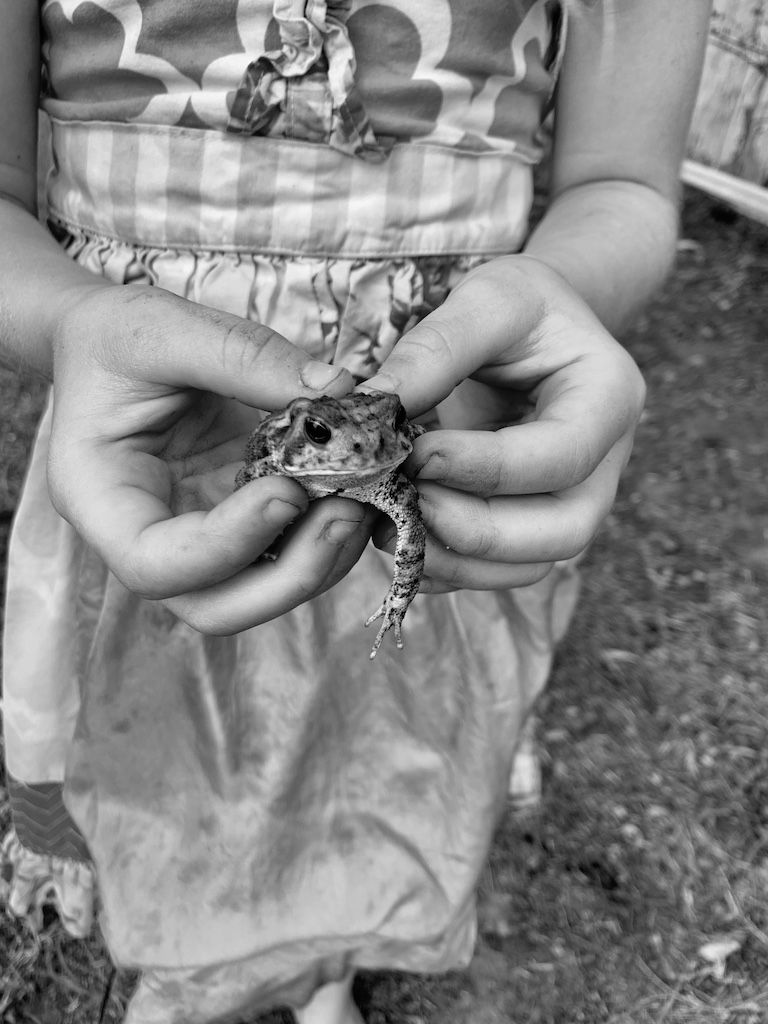
The Joy of Noticing the Little Wonders
Nature journaling teaches children to slow down and see the beauty of everyday natural world around them. A feather, a leaf, or a small insect can spark curiosity and wonder. They can care this wonder with throughout their loves, and it can become a true source of comfort to them.
These quiet moments outdoors help children develop a lifelong appreciation for the natural world and its many little wonders. Not to mention, it truly draws them closer to the Creator of it all.
The next time you head outside for a homeschool nature walk, bring along a notebook and a pencil. You may be surprised by how much fun your children have recording their discoveries.
And before long, those simple journal pages will become a cherished record of your homeschool adventures.