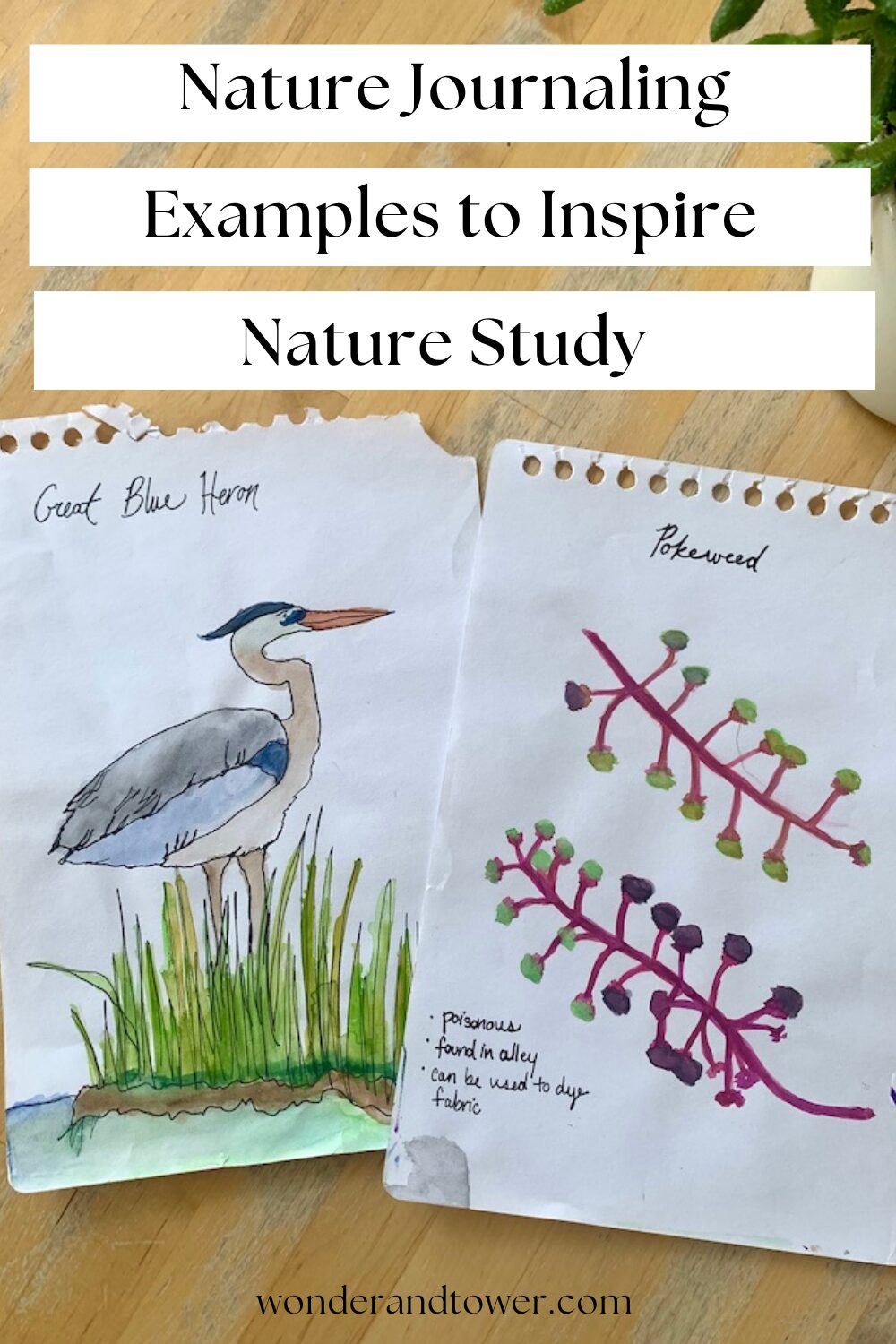
Nature Journaling Examples to Inspire Nature Study
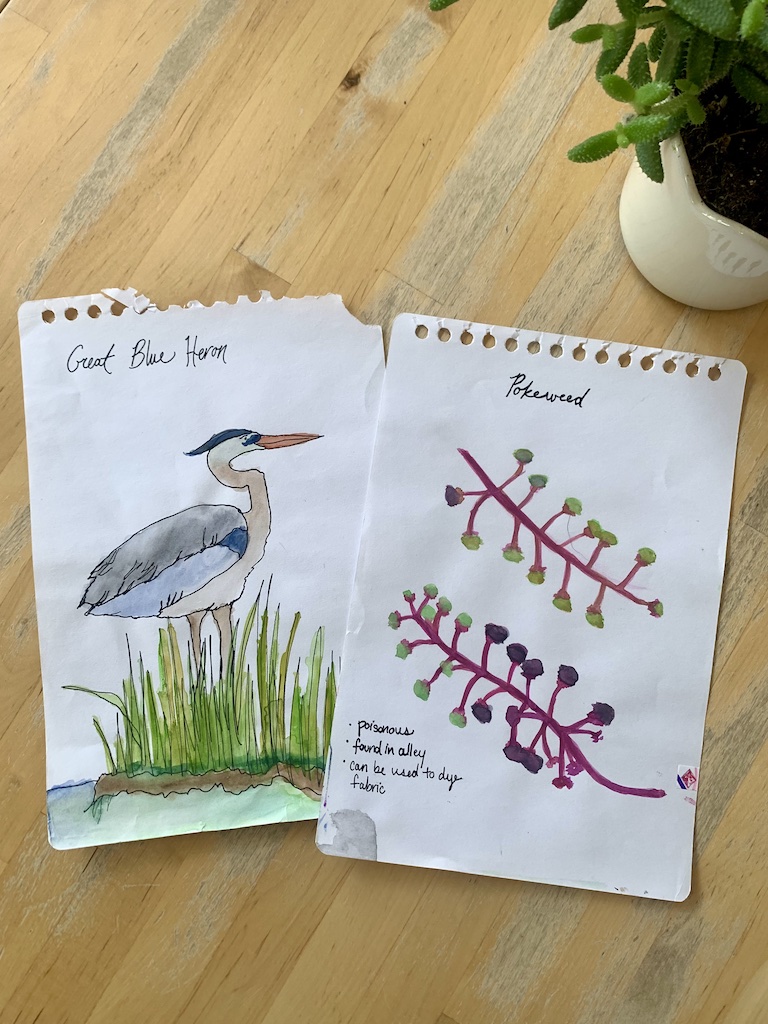
Enjoy these Nature Journaling Examples to inspire you! All of these example are from my homeschool mama friend, Ms. Erin. She is such a creative and inspiring mama!
Nature journaling is such a meaningful way to slow down and notice the beauty of the natural world. You can step outside into your backyard or even head to a local park, keeping your own nature journal becomes a record of small, sacred moments. It doesn’t require artistic skill or even a lot of time. Just a willingness to pause, observe, and take a deep breath.
Shop Nature Journaling Supplies

For homeschool families, nature journaling is also a great way to combine learning with outdoor adventures. It blends science, language arts, and artistic expression in a natural and life-giving rhythm. Inspired by naturalists like Charlotte Mason, John Muir Laws and Henry David Thoreau, this practice helps cultivate observation skills and a love for the outdoors in both young people and mothers alike.
If you are new to this practice, you may enjoy reading my guide on How to Start Nature Journaling for Beginners.
Nature Journaling as Nature Study
Nature journaling fits beautifully into a Charlotte Mason approach to nature study. Using resources like the Handbook of Nature Study, children can observe a given area over time, recording changes in weather conditions, plant life, and animal activity. These journal entries become a form of data collection rooted in curiosity rather than pressure.
It is also a wonderful way to develop observational skills and language arts together. A simple page might include a quick nature drawing, a short story about what was seen, or personal reflections inspired by thinkers like Aldo Leopold or Rachel Carson. Over time, these pages become a meaningful nature notebook filled with first things and favorite places.
These nature journaling examples show how simple it can be to slow down and notice the beauty of the natural world while learning together.

- Builds observation skills
- Encourages creativity
- Records meaningful moments
- Blends learning naturally
- Cultivates wonder
10 Nature Journaling Examples
1. Drawing from Real Nature Items
Sit with a leaf, butterflies, flower, or even a feather and sketch what you see on a sheet of paper. Focus on general shapes and different colors rather than perfection. This is one of the simplest nature journal ideas and a great way to begin for all ages.
2. Creating a Phenology Wheel
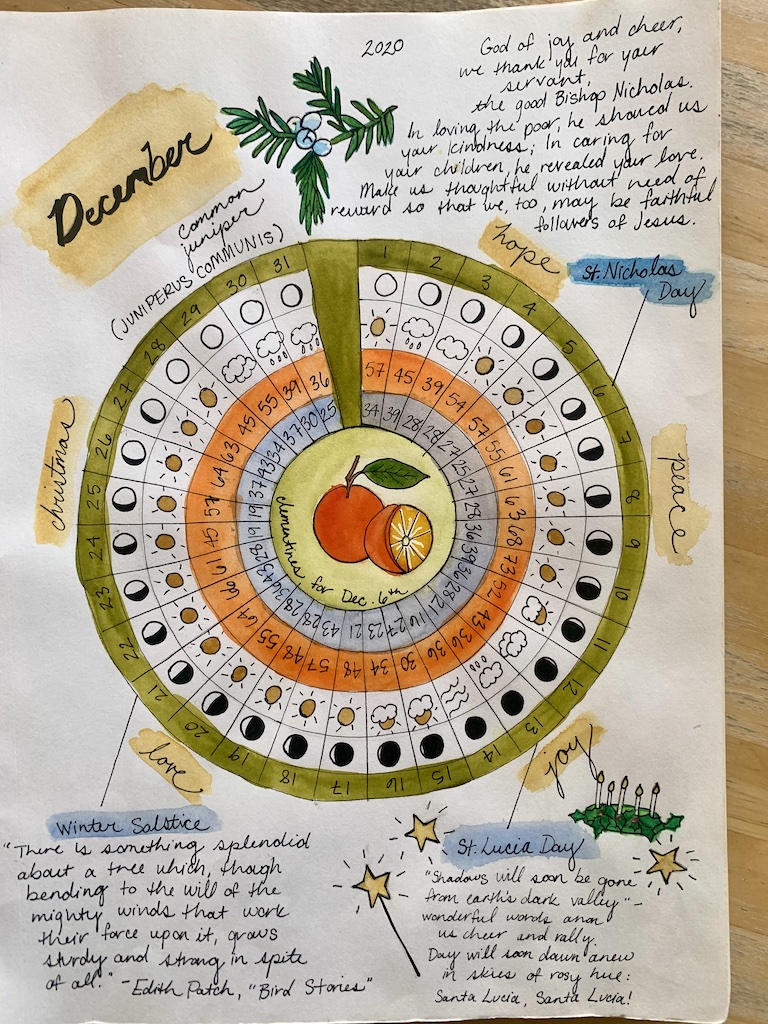
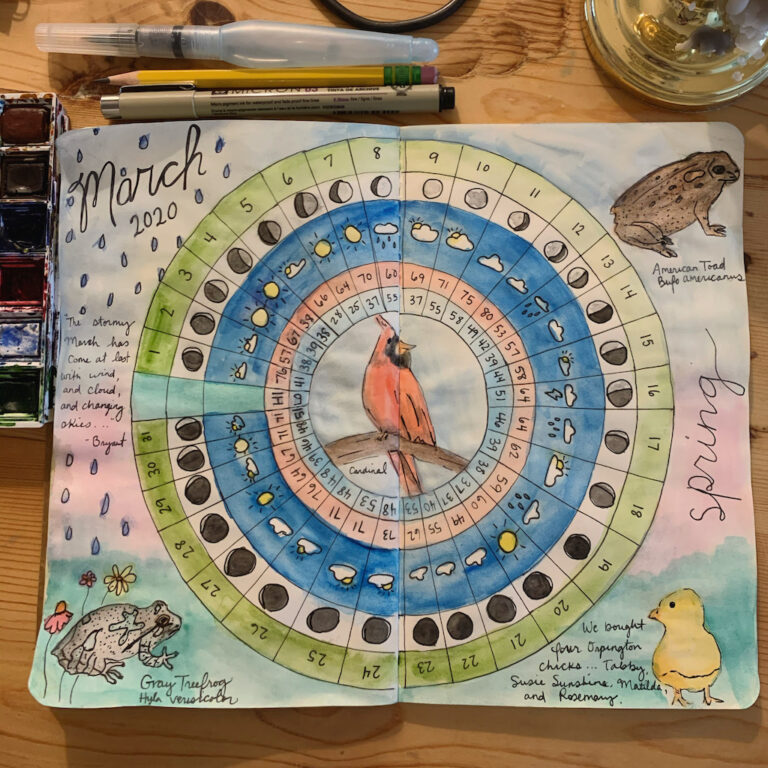
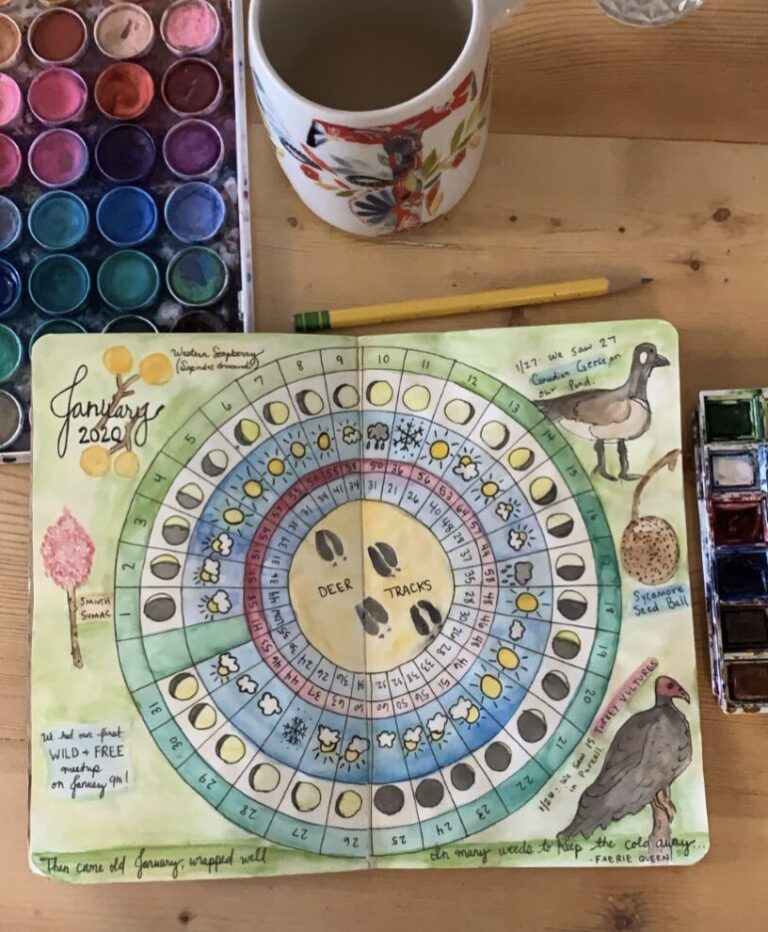
Track the time of year by drawing a small seasonal wheel. Note changes in deciduous trees, weather conditions, and the type of cloud overhead. It’s a beautiful way to see patterns over time. You can create your own, like the example below, or use Phenology Wheel templates.
Enjoy these 30 Nature Journaling Ideas for even more inspiration.
3. Sketching from a Nature Book
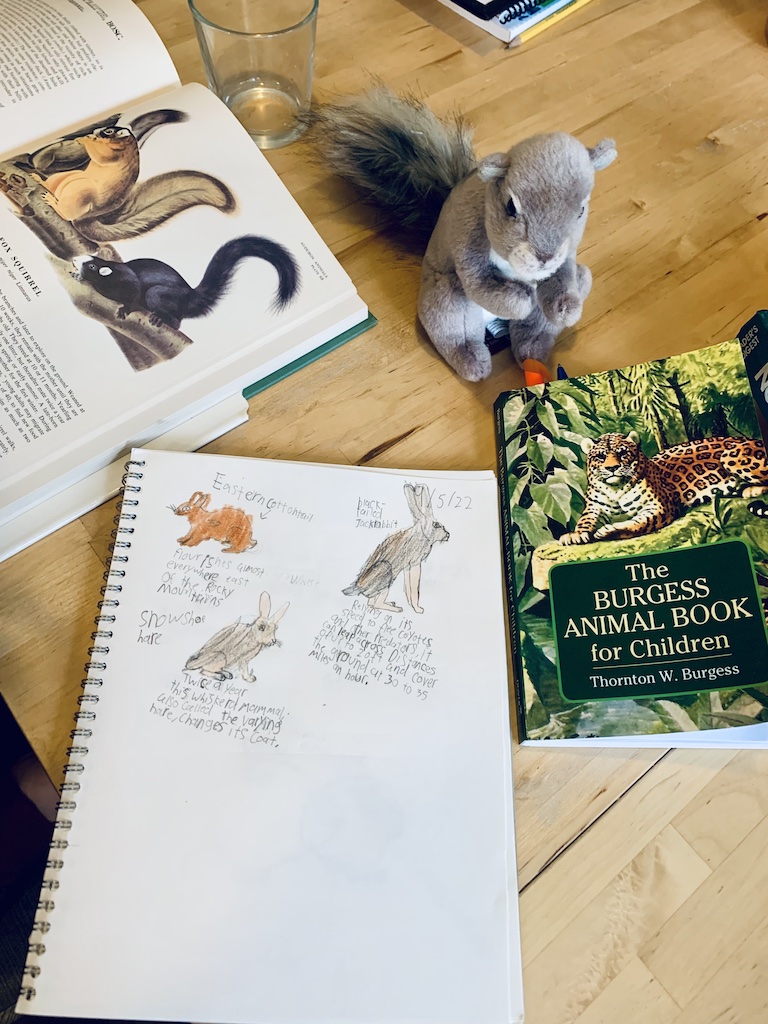
Use a favorite field guide to draw birds, sea creatures, or plants. This is a helpful new way to build confidence in nature drawing when you don’t have the real object nearby. You can use Anna Botsford Comstock’s Handbook of Nature Study as inspiration.
4. Journaling After a Nature Hike
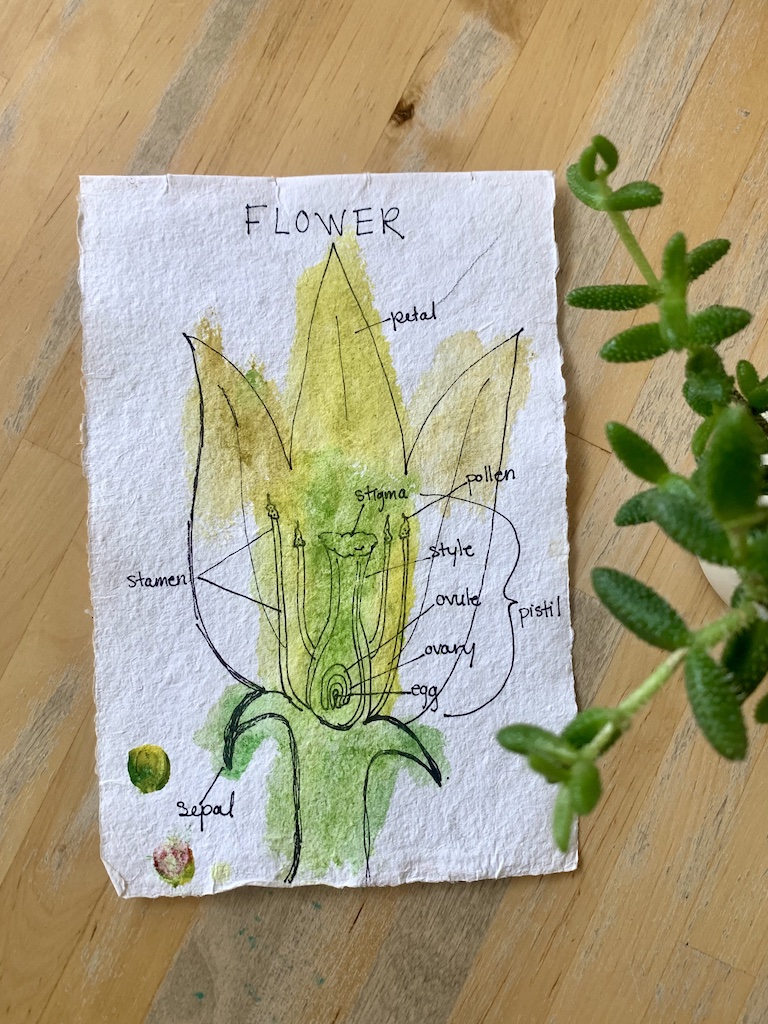
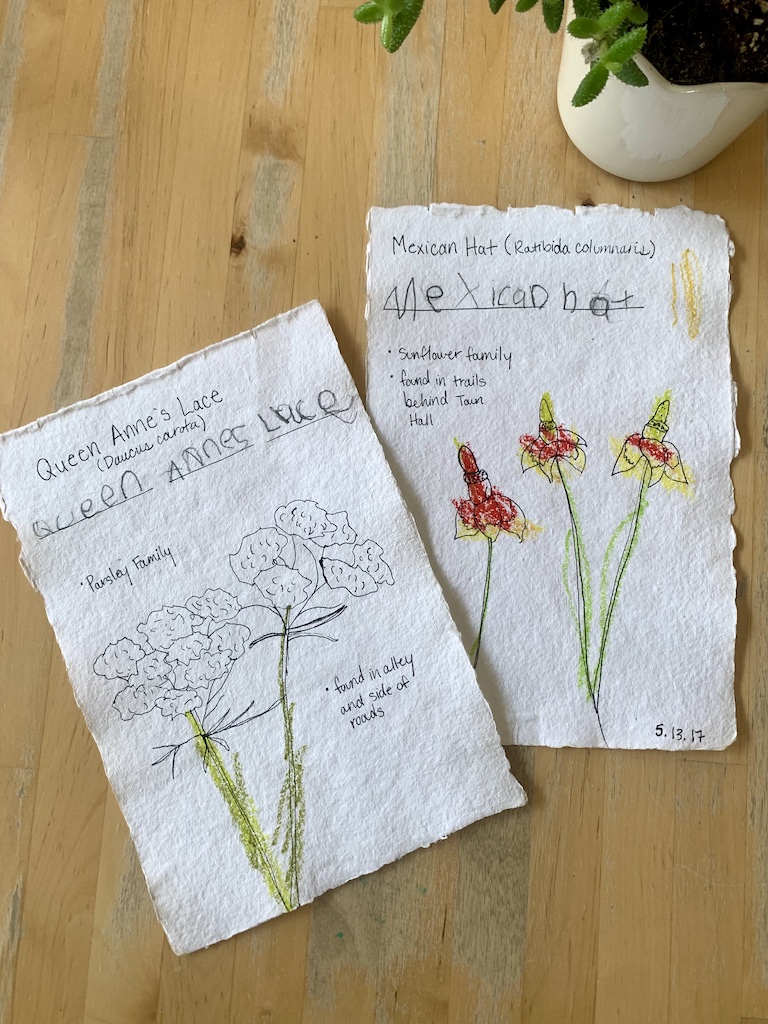
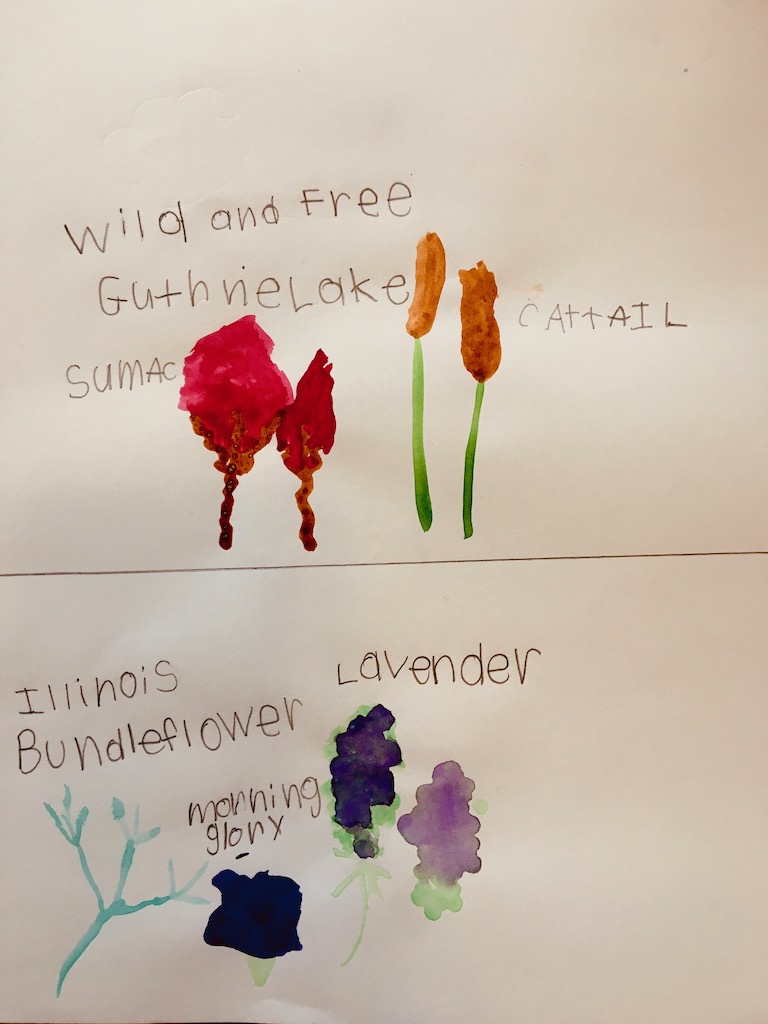
After outdoor adventures, record what you saw on your own journal pages. Include a short story, the play of light through the trees, or even a quick sound map of what you heard. You can make this as simple or complex as you want. Below is a simple flower diagram by mom that the child helped label and paint.
More Homeschool Posts:

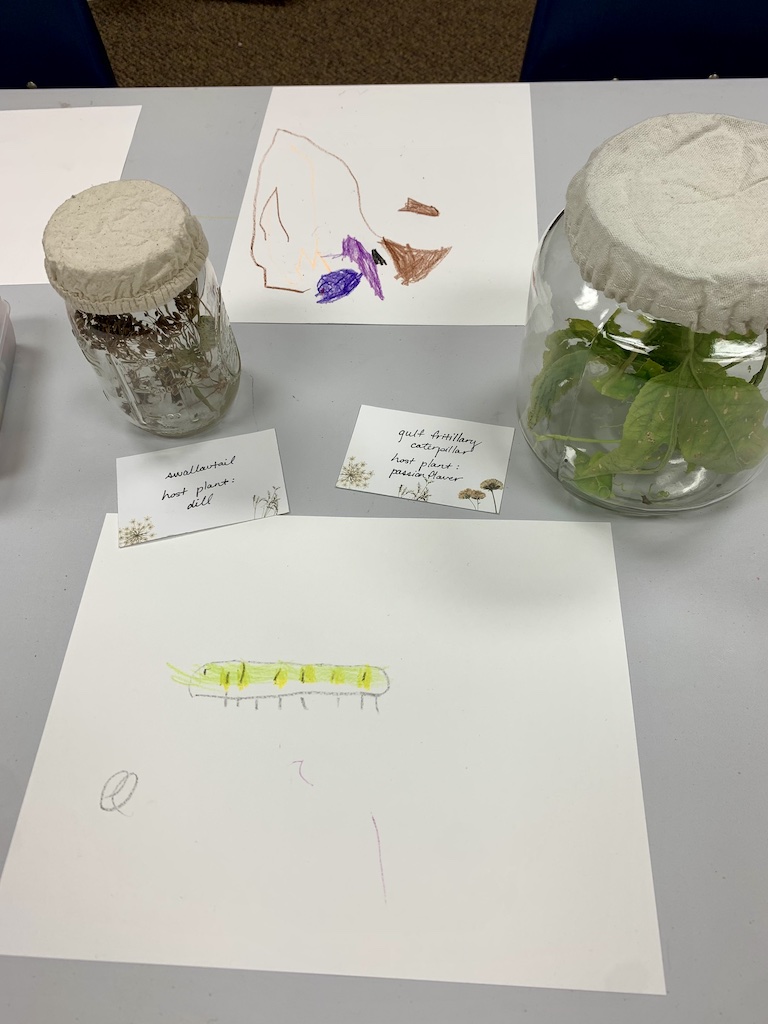
5. Mom Draws, Kids Color
A sweet and simple approach for young people. Mom sketches a nature scene, and children add different colors. This encourages participation without pressure and builds shared memories.
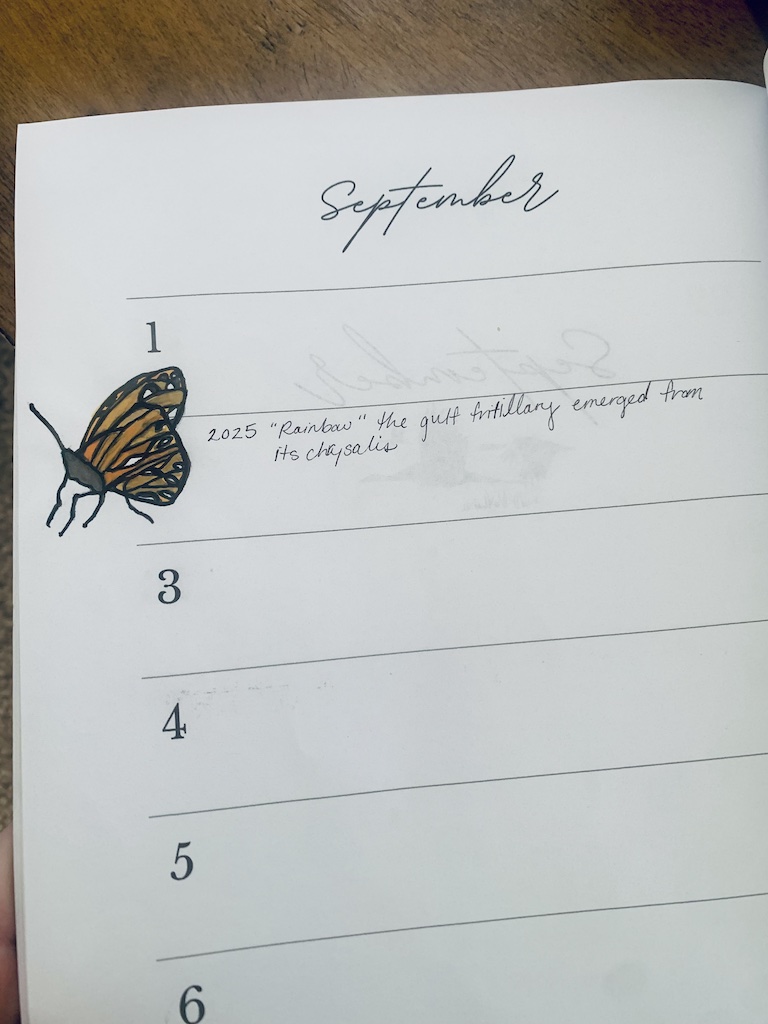
6. Keeping a Book of Firsts
Record first things like the first bloom, first snowfall, or first bird spotted at the bird feeder. These little things become treasured markers of the seasons, like the ‘Calendar of Firsts’ that Charlotte Mason suggests.

7. Letting Go of Perfection
You don’t need strong artistic ability to be a nature journaler. Focus on having fun, making pencil miles, and enjoying the process rather than the outcome.
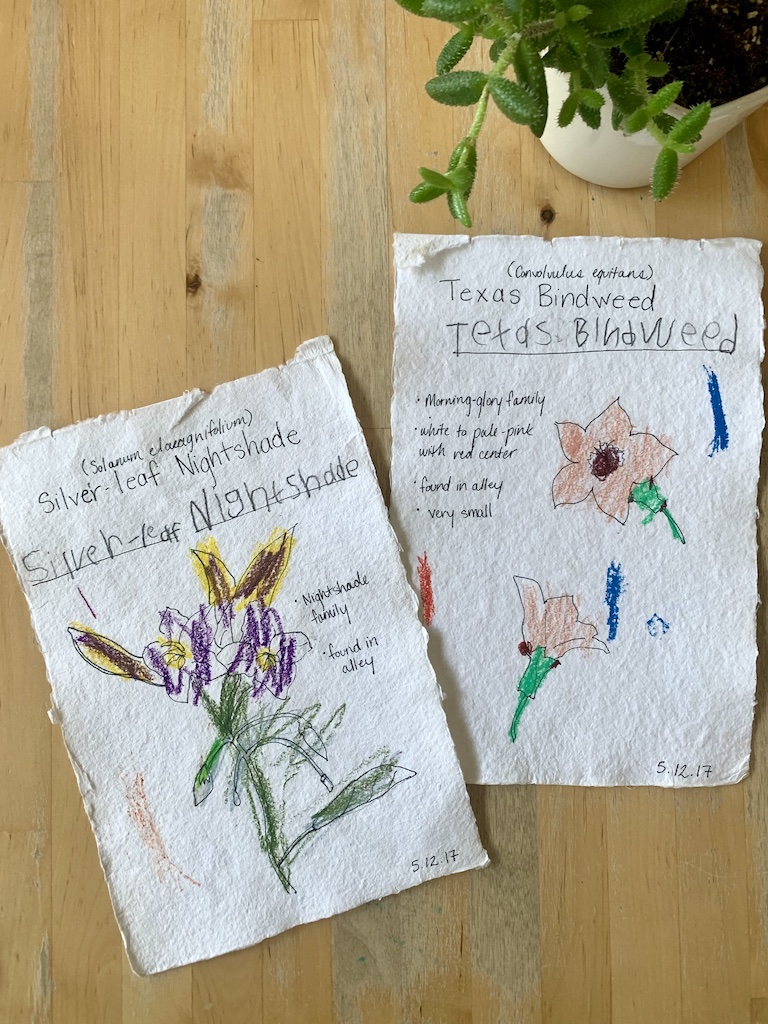
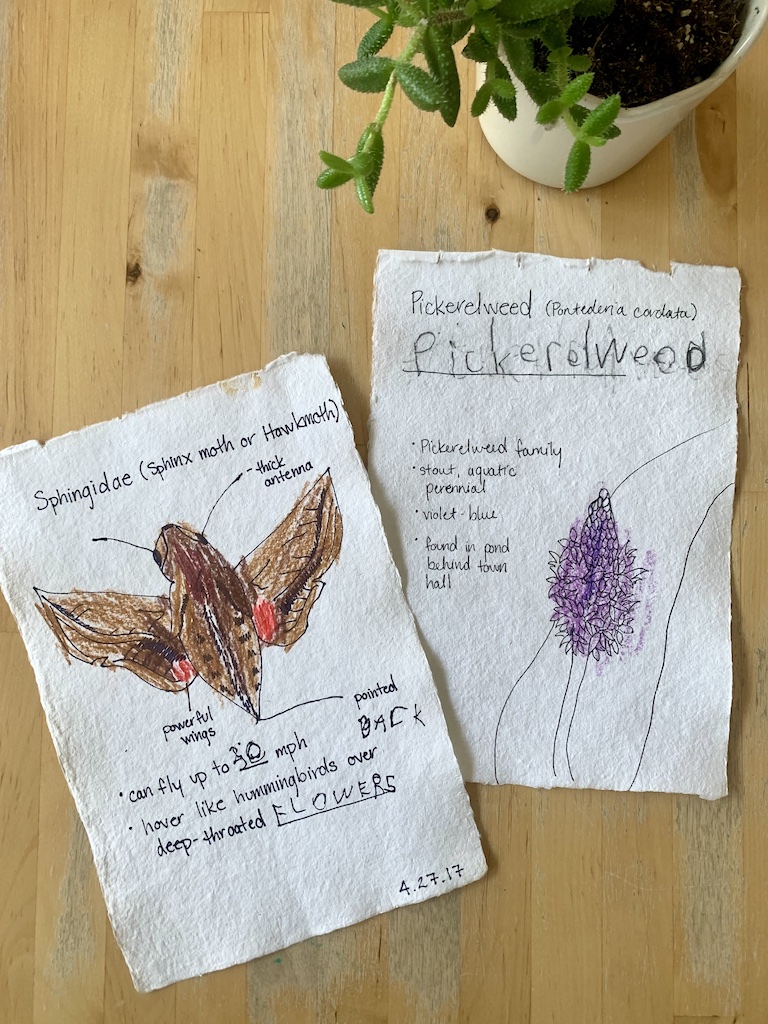
8. Adding Latin Names
Include the scientific names of plants or animals alongside your sketches. This adds depth and introduces children to classification in a simple way.
9. Including Words and Reflections
Write a few lines about your outdoor space and nature time. Things like how it felt, what you noticed or observed, or even a quote from Henry David Thoreau. These personal reflections bring your journal entries to life.
10. Adding Creative Elements
Incorporate nature photos, audio recordings, or even a scavenger hunt list. You might sketch something from a piece of paper brought home or reflect on a mini adventure in your favorite places.

FREE Nature Printable for Toddlers
Inspiration from Nature Journaling Examples
Nature journaling doesn’t have to be complicated. It is simply an invitation to notice the natural world, to slow down, and to enjoy the process of learning together. If you are filling a page with careful observations or even just a few quick sketches, each entry is a step toward deeper connection with nature, with your children, and with the rhythm of everyday life.
And next time you head outside, bring your nature notebook along or nature books along. You may be surprised by how much beauty is waiting to be noticed.