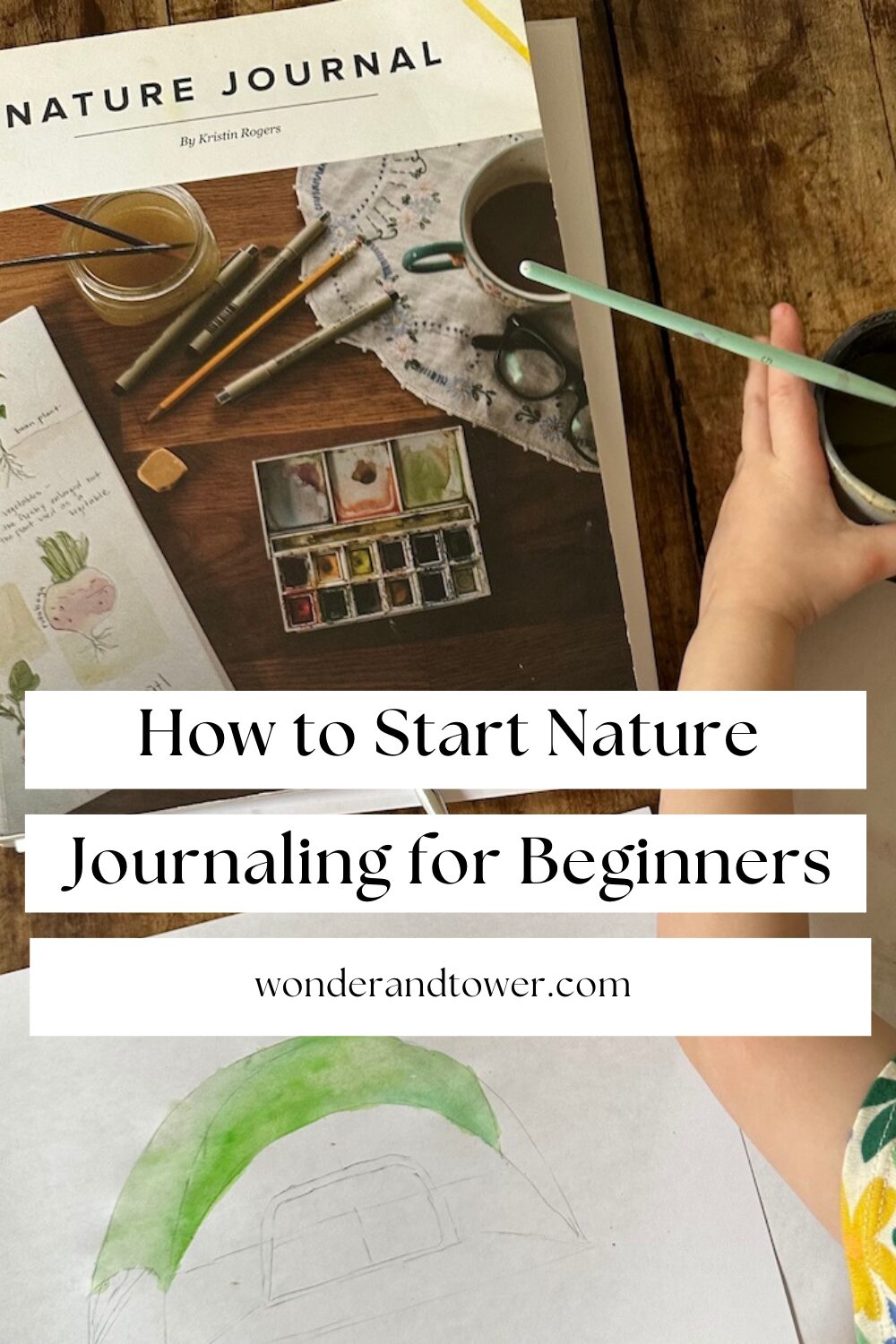
How to Start Nature Journaling for Beginners
Nature journaling is a simple and meaningful way to help children slow down and notice the beauty of the natural world that God has made.
For homeschool families especially, it offers a blend of science, art, curiosity, and quiet observation. And you don’t need to be an artist or a naturalist to begin. If you can notice, wonder, and record what you see, you already have everything you need to start nature journaling.
If you're looking for inspiration for your next nature walk, I’ve also shared 30 nature journaling ideas to inspire your homeschool that are simple, creative, and easy to try with children.
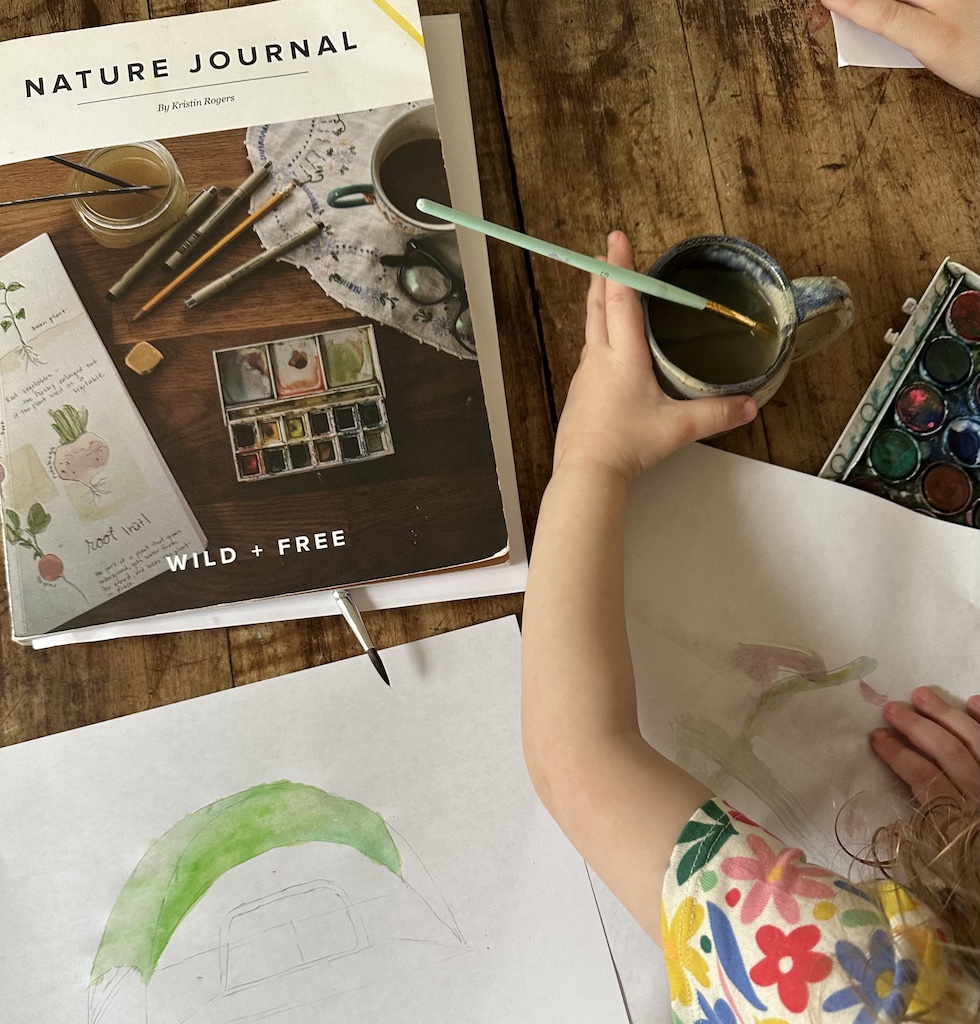
Shop Nature Journaling Supplies

Full list of Nature Journaling Supplies to get you started on nature journaling
Many homeschool mothers feel hesitant the first time they consider starting a nature journal. Drawing can feel intimidating, or maybe you worry that you don’t know enough about plants, insects, or birds. But the heart of this nature journaling is not about knowing it all. It is about paying attention and growing your observation skills in nature .
When approached this way, nature journaling becomes less about artistic skill and more about curiosity and building knowledge of nature as the seasons change.
What Is Nature Journaling?
The simple definition is that nature journaling is the practice of recording your experiences in the natural world through notes, sketches, questions, and reflections. A nature journal becomes a record of what you notice outside. Things like the shape of a leaf, the sound of birds at dawn, or the way the wind moves through tall grass.
Naturalists and educators like John Muir Laws have helped bring modern attention to this practice. His teaching encourages both children and adults to ask three simple questions while observing nature:
- What do I notice?
- What do I wonder?
- What does it remind me of?
These questions guide children toward deeper observational skills without requiring advanced scientific knowledge. This is the beauty of nature study!
Nature journaling also has roots in the work of Naturalist Clare Walker Leslie, whose books have introduced generations of families to the practice of keeping an own nature journal. Her work emphasizes curiosity and personal discovery rather than artistic perfection.
In a home school, this practice naturally blends science, writing, and artistic expression in a way that feels peaceful and unforced.
You Do Not Have to Be an Artist
One of the biggest misconceptions about nature journaling is that it requires natural drawing ability. Many beginners hesitate because they think their sketches will not look “good enough.” This is especially true of children just beginning as they compare their art to others. But the purpose of nature drawing is not to create museum-worthy art. It is to help you notice details and gain knowledge of the world around you.
A quick sketch of a leaf or flower encourages careful observation. When a child draws the veins of a leaf or the shape of a shell, they are strengthening their observational skills in a way that simply looking alone cannot accomplish. These observational skills will follow them into their other studies as well!
Encourage your children (and even yourself!) with a few simple reminders:
- A sketch is just a way to see better.
- Imperfect drawings are completely normal.
- Words and notes are just as important as pictures. (I personally love adding words and quotes to my nature journaling.)
Some journal pages may contain only writing or questions. Others may include small diagrams or simple labels. Every page tells the story of a moment spent outdoors.
The goal of nature journaling is to observe the world around you and record those observations of nature in a way that feels meaningful to you and your children.
Simple Supplies to Begin
Starting nature journaling does not require elaborate materials. I have found that keeping supplies simple often encourages consistency.
For most beginners, all you need is:
- A small notebook or pages of a notebook
- A pencil or pen
- Colored pencils (optional)
- A set of watercolors (optional)
Your notebook becomes your own nature journal, a place to record discoveries from your walks and outdoor adventures.
Many families enjoy bringing along a few field guides to help identify plants, birds, or insects. There are a lot of options to choose from, so just find a field guide that will serve you in your region. These books help connect curiosity with learning and can spark deeper investigation at home! This is a wonderful part of nature study.
If you want additional guidance, you might explore resources such as the Laws Guide to Nature Journaling or other web sites that introduce the practice. Some families even enjoy taking an online course on nature study, though this is entirely optional. Remember that he most important tool is simply attention and being out in nature! Don’t overcomplicate it.
A Simple First Nature Journaling Outing
Your first outing does not need to be elaborate or fancy. In fact, the most meaningful journaling experiences often happen close to home.
Think of your first trip as a mini adventure.
Visit a local park, your backyard, or even a quiet corner of a neighborhood walking path. Invite your children to sit for a few minutes and notice what they see.
Ask questions like:
- What colors do you notice?
- What sounds can you hear?
- What animals or insects are nearby?
One simple activity many naturalists enjoy is creating a sound map. Children draw a small circle in the middle of their page to represent themselves, then mark symbols around the page to show where sounds are coming from. Things like birds overhead, wind in the trees, or footsteps on gravel. This exercise trains children to observe their environment with greater awareness.
You can also do this by closing your eyes and holding up 5 fingers. Listen for 5 things that you hear. You become more adept at hearing the smallest things around you!
Encourage Learning Through Observation
The beauty of nature journaling is that it naturally develops scientific thinking. When children begin recording scientific observations, they start asking deeper questions about the world around them.
For example:
- Why are some leaves smooth while others are jagged?
- Why do birds gather in certain trees?
- How does the weather change what we see outside?
These questions turn a simple walk into a living science lesson! It really is that simple.
Some families enjoy adding fun elements like a small scavenger hunt to their nature walks. Children might look for:
- three different leaf shapes
- an insect
- a feather
- a rock with an interesting pattern
Once they find these items, they can record their discoveries in their journal pages through drawings or notes. Over time, these pages become a record of learning, curiosity, and growth.
Nature Journaling Resources
If you enjoy reading about nature study, there are many wonderful resources available. Many homeschool parents also find inspiration through:
- field guides for local wildlife
- nature study web sites
- homeschool nature study communities
- educational online course offerings
But remember that nature journaling existed long before social media or the internet. While it can be fun to share beautiful journal pages online, the true value of the practice is the quiet attention it cultivates. Your journal does not need to be polished or aesthetic at all! Don’t get trapped in the lie of perfection.
Making Nature Journaling a Gentle Homeschool Rhythm
The most effective way to incorporate nature journaling into homeschooling is through consistency. I have learned this through and through in my homeschool.
Some ideas to consider incorporating:
- weekly nature walks
- seasonal observations
- journaling during family hikes
- quiet outdoor time after lessons
Even children growing up in towns or suburbs can develop a deep appreciation for the natural world through regular outdoor exploration. We live in town and utilize local parks and ponds just fine!
Over time, your own nature journal becomes a living record of these moments: the first wildflower of spring, the changing colors of autumn leaves, or the tracks left by animals after a winter snowfall. Each entry captures a small moment of wonder and is beautiful to look back on yearly.
Your Nature Journal Is a Story of Attention
One of the most beautiful aspects of nature journaling is that it teaches both children and adults to slow down. In a world often filled with screens, schedules, and social media, the practice invites us to pause and really notice the world around us.
The most important lessons will come from your own experiences outdoors. Your journal might include:
- a quick sketch of a bird
- a list of questions about insects
- a record of changing weather
- notes from outdoor adventures with your children
Every page becomes a reflection of curiosity and discovery. And perhaps most encouraging of all is that there is no right or wrong way to do it.
Your pages contain detailed nature drawing or simple written notes and your journal will gradually fill with the story of your family’s encounters with the natural world. That is the true gift of nature journaling. It teaches us that learning does not only happen in books or lessons, but in the simple act of stepping outside and simply paying attention.