How to Reheat Sourdough Bread So It Tastes Fresh
Learn how to reheat sourdough bread with these simple tips and tricks.
If you’ve ever reheated sourdough bread, and ended up with dry or tough slices, don’t worry. There’s a simple rhythm to bringing that fresh bread magic back to it’s original flavor and texture. You will figure out how to warm sourdough breading no time!
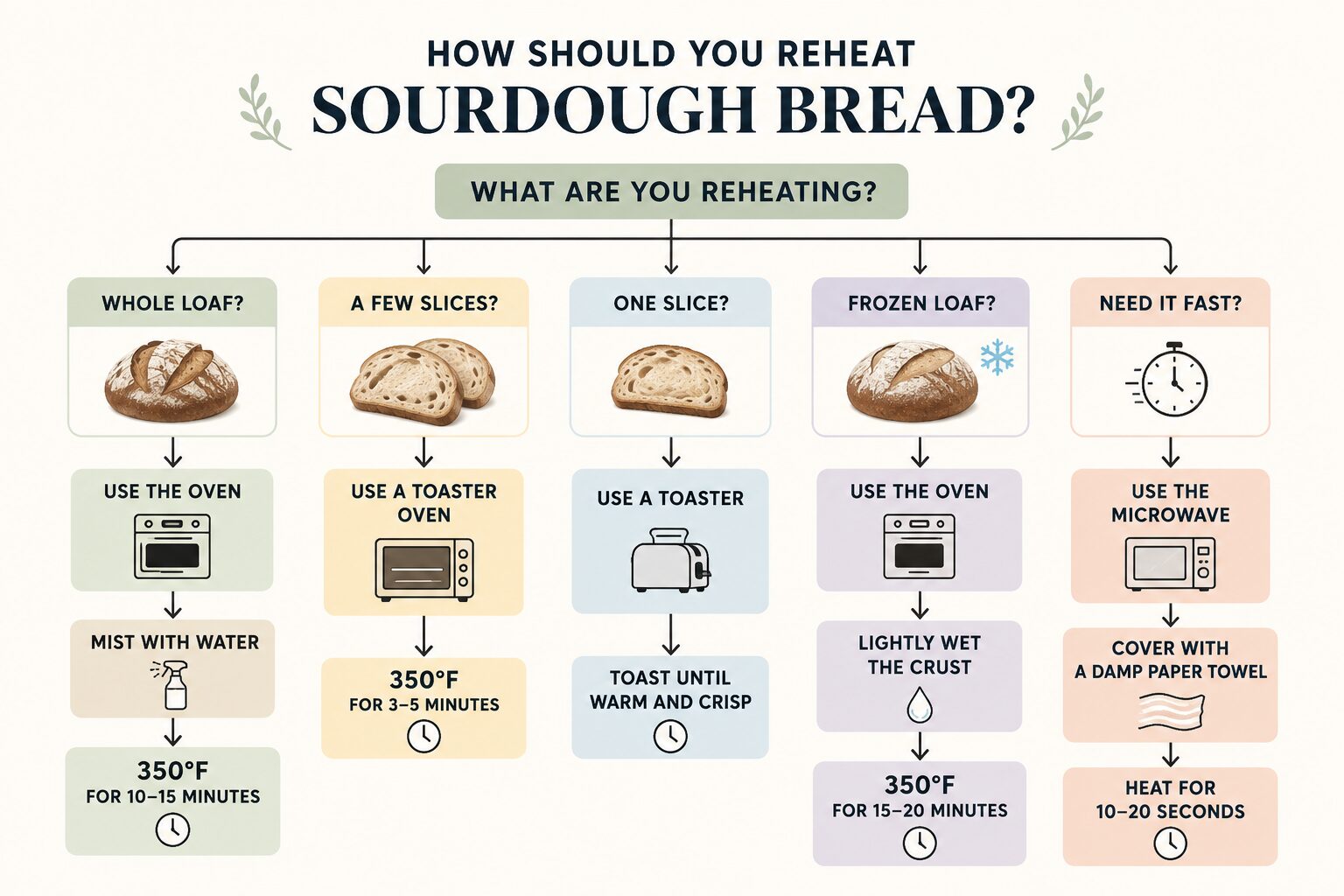
Quick Tip: The best way to reheat sourdough bread is in a 350°F oven for 10–15 minutes. Lightly mist the crust with water before baking to restore moisture while keeping the crust crispy. This will also revive and refresh stale sourdough bread.
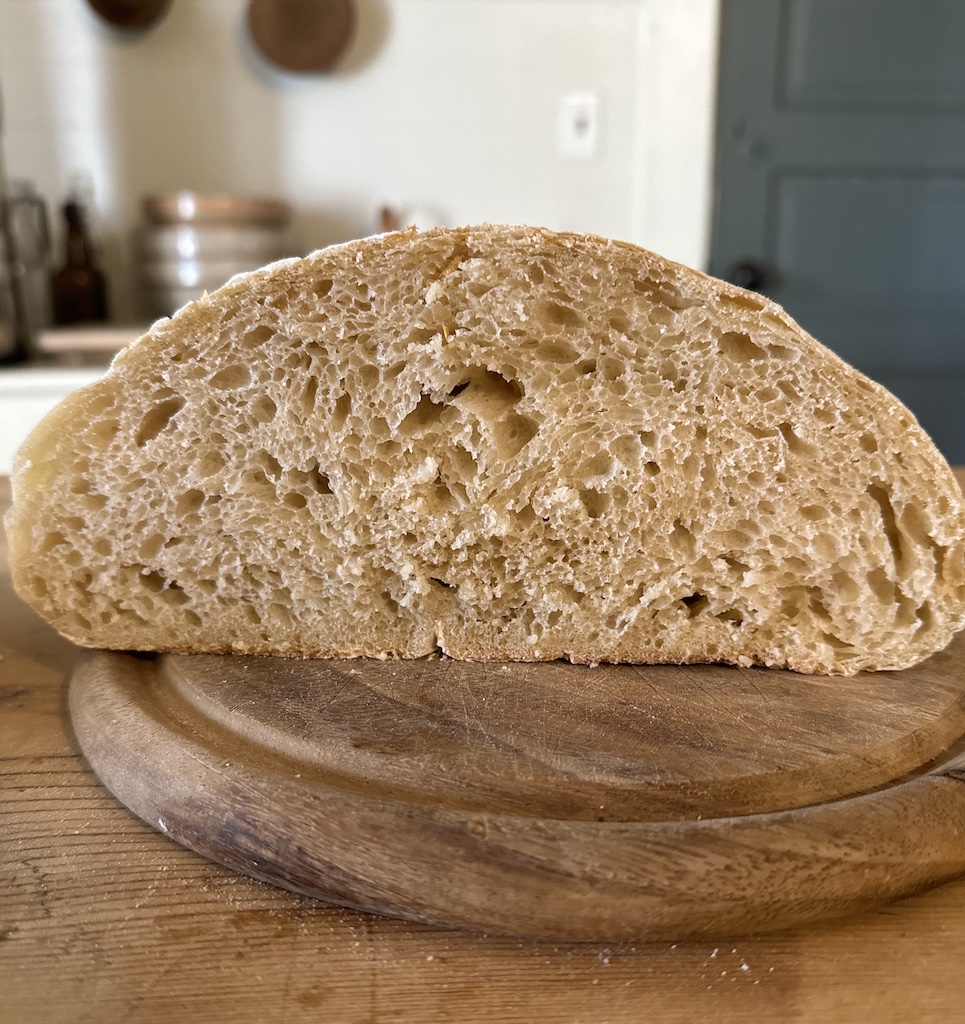
Sourdough behaves differently than store-bought breads because of its long fermentation and the way the dough rises, so reviving it takes lower heat and the right approach. With alittle practice, you will have the process mastered quickly.
So even if you need to reheat a full sourdough loaf, a few sourdough bread slices, or even leftover dinner rolls, the goal is always the same. Restore moisture to the crumb and revive the outer crust without overbaking. Enjoy these tips so you can enjoy a warm loaf of sourdough bread or other warm sourdough goodies.
If you like this sourdough post, you’ll love trying a few of my favorite sourdough recipes too, especially my sourdough discard recipes, my fluffy sourdough blueberry muffins, or my simple sourdough bread recipe that beginners always succeed with.
Let It Warm Naturally First
If your sourdough was frozen, the best way to reheat frozen sourdough bread is to begin by letting your bread reach room temperature. This small step leads to the best results because the inside warms evenly instead of shocking the loaf with sudden heat. Patience is key here! So take time to plan ahead.
If this is your first time reheating homemade or classic sourdough loaves, take a moment to look at the size of the loaf you’re working with. Smaller loaves warm quickly, while larger size breads (or baked goods) need a bit longer.
A cold loaf, especially if refrigerated, often feels like stale bread, but it can be revived perfectly with just a bit of warmth.

Shop Sourdough Supplies & Best Tools

Related Post: Sourdough Starter Schedule: How to Feed and Maintain
The Best Methods for Reheating Sourdough
Every home baker has a favorite way to warm bread, and thankfully there are several methods that work beautifully. When choosing how to reheat sourdough bread, it will depend on if you have a whole loaf or already sliced bread. Here are a few ideas:
1. Oven (Best for Whole Loaves)
Temperature: 350°F (175°C)
Time: 10–15 minutes
Best For: Whole artisan sourdough loaves or large pieces
Why You’ll Love It:
– Restores a crispy crust
– Soft, fluffy crumb
– Even heating throughout
– Best overall results
Keep in Mind:
– Takes longer than other methods
– Requires preheating the oven
Pro Tip: Lightly mist the crust with water before baking to help revive stale sourdough and create a crisp, bakery-style crust.
2. Toaster Oven (Best for a Few Slices)
Temperature: 325–350°F
Time: 3–5 minutes
Best For: One to four slices of sourdough
Why You’ll Love It:
– Crispy crust
– Quick to heat
– Uses less energy than a full oven
Keep in Mind:
– Not ideal for an entire loaf
– Can brown quickly if left too long
Pro Tip: Check your bread after 3 minutes to prevent over-toasting.
3. Toaster (Best for Single Slices)
Temperature: Medium setting
Time: 2–4 minutes
Best For: Individual slices
Why You’ll Love It:
– Fastest option
– Crispy edges
– Perfect for breakfast toast
Keep in Mind:
– Can dry out thinner slices
– Doesn’t work for whole loaves
Pro Tip: Toast until just golden, then add butter while the bread is still warm.
4. Air Fryer (Best for Crispy Bread)
Temperature: 325°F
Time: 3–6 minutes
Best For: Slices, rolls, or small pieces
Why You’ll Love It:
– Very crispy crust
– Fast cooking time
– Great for day-old bread
Keep in Mind:
– Can overcook quickly
– Limited space for large loaves
Pro Tip: Check after 3 minutes since air fryers vary in strength.
5. Cast Iron Skillet
Temperature: Medium-low heat
Time: 2–3 minutes per side
Best For: Individual slices, sandwiches, and bread served with soups or breakfast
Why You’ll Love It:
– Crispy, golden crust
– Warm, soft center
– Adds rich buttery flavor
– No need to preheat the oven
Keep in Mind:
– Only works well for slices
– Can burn if the skillet gets too hot
– Doesn’t reheat thick loaves evenly
Pro Tip: Add a small pat of butter or a drizzle of olive oil to the skillet before adding the bread. Cook over medium-low heat and flip once for a perfectly crisp exterior and warm, tender center.
Reheating Tip: Let reheated sourdough rest for a minute or two before slicing so the crumb can settle and stay tender.
Sourdough Bread Reheating Temperature and Time Chart
|
Method |
Temperature |
Time |
Best For |
|---|---|---|---|
|
Oven |
350°F |
10–15 min |
Whole loaf |
|
Toaster Oven |
325–350°F |
3–5 min |
Slices |
|
Air Fryer |
325°F |
3–6 min |
Crusty slices |
|
Cast Iron |
Medium-low |
2–3 min/side |
Toasting |
|
Microwave |
15–20 sec |
Soft rolls only |
Quick warming |
Storing Sourdough Properly Makes Reheating Easier
Good storage prevents dryness and freezer burn, which means even better bread the next day.
A few storage options include:
- A paper bag for same-day freshness. Large paper bags work best. This is also great for gifting sourdough loaves.
- A ziplock bag (great for small loaves) or plastic wrap for short-term storing (larger bread items)
- A large freezer bag (labeled with a permanent marker) for freezing. You can usually slice a whole loaf of bread and it will fit in this.
- A tea towel wrap for keeping the crust from sweating
- Wrapped in aluminum foil or parchment paper
Because sourdough bread freezes so well, you can freeze whole loaves, mini sourdough loaves, or even a sliced loaf. In fact, almost every sourdough bread product freezes beautifully due to its natural acidity.
When freezing, keep the cut side protected. This is where moisture escapes most quickly.
It’s also a good idea to freeze the entire loaf of sourdough if you’ll need it for guests the next morning. The pre-sliced loaf will freeze well and have less of a chance of freezer burn.
|
Storage Method |
Lasts |
Reheats Well? |
|---|---|---|
|
Counter |
2–3 days |
⭐⭐⭐⭐⭐ |
|
Bread Box |
3–5 days |
⭐⭐⭐⭐⭐ |
|
Freezer |
3 months |
⭐⭐⭐⭐⭐ |
|
Refrigerator |
Avoid |
⭐ |
How to Reheat Frozen Sourdough
You can learn how to reheat sourdough bread straight from the freezer, which helps reduce starch retrogradation… the process that firms up the crumb. For the best way to reheat sourdough from frozen:
- Warm your bread on low heat
- Place wrapped bread in the oven to soften the crumb
- Use a splash of cold water to revive the crust
Frozen sourdough reheats especially well because long bulk fermentation slows the staling process naturally.
If the bread has mix-ins like rice flour coating or jalapeno cheddar, just protect it with parchment or foil so flavors remain intact and the add-ins don’t burn.
Common Reheating Mistakes

AVOID:

- Using too high of heat
- Reheating straight from the freezer without adjusting time
- Microwaving an entire loaf
- Not adding moisture to stale bread
- Leaving bread in too long
Want my simple sourdough care + baking guide?
Grab my FREE Sourdough Instructions Printable and learn how to bake sourdough with confidence.

Working With Different Types of Bread
You can reheat anything from enriched dough to tiny loaves:
- Homemade bread with a high hydration (like many sourdough bread recipe styles using g flour and g water) reheats really well.
- Whole wheat loaves soften well with a little steam.
- French bread crisps quickly, so monitor closely.
- Sandwich bread dries out faster than regular sourdough boules, so keep heat low.
Using a dutch oven is a great way for reviving crusty bread in the oven or even on the stove-top.
Tips for the Best Texture
Here are a few of the best tips for restoring that bakery-style bite:
- Brush lightly with olive oil before warming.
- Add a drizzle of hot honey to warm slices for a sweet finish.
- Use damp paper towels in the microwave to soften rolls.
- Let heated bread enjoy a short dough rest before slicing.
- Place smaller items in a gallon size bag to keep them fresh overnight.
When reheating, always consider the cooking process and choose the right techniques for your bread type.
Even enriched breads made with wild yeast and milk, like sweet sourdough cinnamon rolls, can reheat and toast fresh using these tips.
With a little practice, reheating your sourdough becomes second nature, and the payoff is fresh, warm bread whenever you want it.
Related Post: How Do I Know If My Sourdough Starter Is Bad?
Answering the Most Common Questions
What is the best way to reheat a loaf of sourdough bread?
The best way is to reheat the loaf in the oven at low heat, wrapped loosely in foil, until warmed through. This keeps the inside soft while protecting the crust.
How do you freshen up sourdough bread?
Lightly mist or rinse the outside of the loaf with water, then warm it in the oven. The moisture creates steam and helps restore a fresh-baked texture.
How to warm up a cold sourdough loaf?
Let the loaf sit at room temperature (amount of tome will depend on temperature of your kitchen), then reheat gently in the oven or toaster oven until warm.
How to make sourdough bread crispy again?
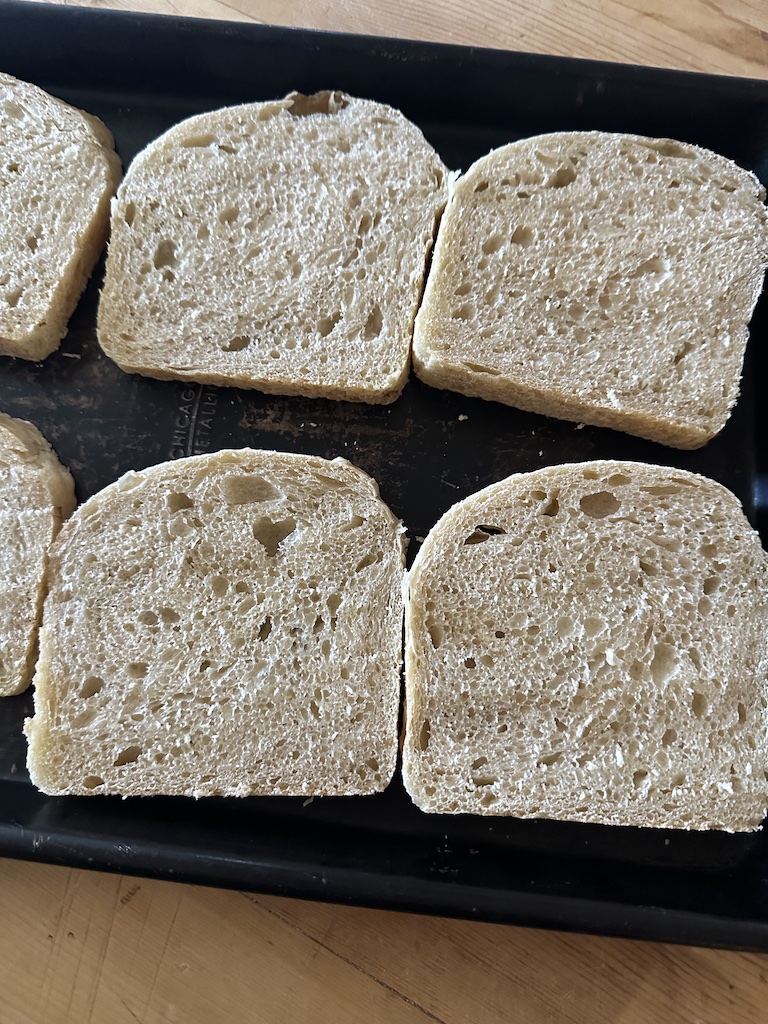
Reheat uncovered on a baking sheet in the oven to dry the surface and bring back a crisp, crackly crust. Cast iron will help achieve a crispy crust as well and is really no extra work.
Does reheating sourdough change the taste?
Reheating sourdough doesn’t change the flavor in a bad way when it’s done right. In fact, it often brings the bread back to life, warming the crumb and reactivating the aromas that make sourdough taste rich and comforting. The mild tang from fermentation stays the same, while the crust becomes crisp again and the inside softens. Overheating, however, can dry it out and dull the flavor, which is why low heat and a short warming time work best.
Can you reheat sourdough in foil?
Yes, you can. This will help to hold in heat and moisture to get your bread thoroughly warmed.
Can you freeze sliced sourdough?
Yes, this is a great for to freeze for single serve portions of sourdough bread.
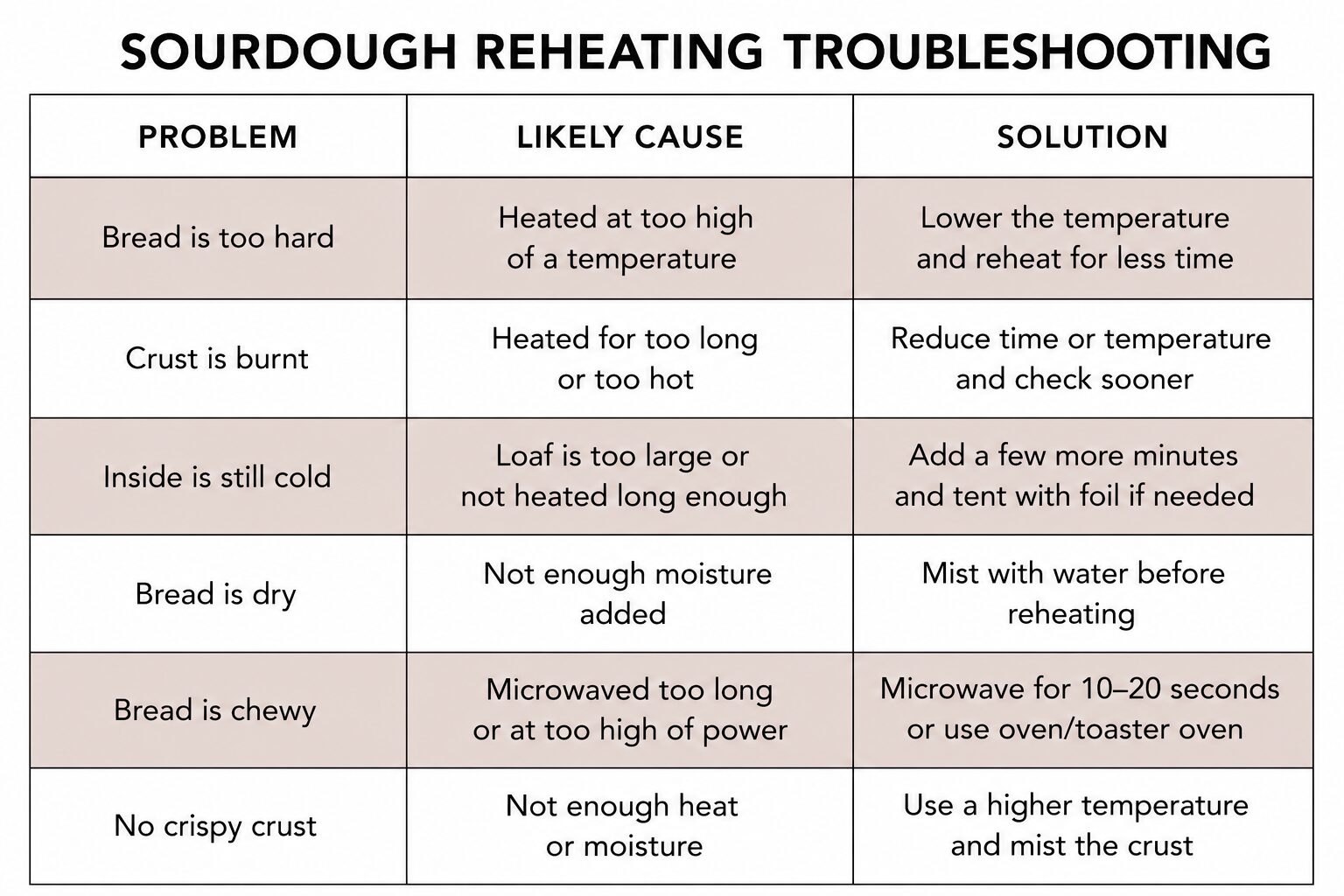
Why is my reheated sourdough hard?
There could be a few reasons, but it’s most likely that you overheated the bread as you were warming it up.
Related Post: Simple Sourdough Bread Recipe
Final Thoughts on How to Reheat Sourdough Bread
Reheating sourdough always comes down to patience and warmth. Protect your loaf, warm it slow, add water if really stale, and enjoy fresh bread! Using the oven reheating sourdough is the preferred method, but all of these can be good options as well.
With a bit of practice, you’ll revive every loaf like a pro, from everyday slices to the rustic crumb of fresh sourdough, and every delicious reheated piece in between.
Reheating sourdough a second time doesn’t have to mean dry or tough bread. With gentle heat and a little moisture, sourdough holds up better than most loaves, thanks to its natural fermentation. That’s one reason many bakers consider sourdough the healthiest bread to reheat... its structure stays tender, and the flavor deepens instead of fading.

How to Reheat Sourdough Bread So It Tastes Fresh
Equipment
- paper bags optional
- ziplock bag optional
- baking sheet optional
- Dutch oven optional
Instructions
- Toaster Oven:– Place sliced sourdough in the toaster oven.– Warm on low heat for a couple of minutes.– This quickly restores a crisp crust without drying the bread.
- Oven (Whole Loaf):– Let the loaf come to room temperature first.– Lightly wet the outside of the loaf or mist with water until just damp.– Place directly on the oven rack and reheat until warm.– The steam softens the crumb and brings back a crackly crust.
- Cast Iron Skillet:– Preheat skillet over medium-low heat.– Place bread cut-side down in the pan.– Warm until toasty and crisp on the surface.– Optional: lightly brush with butter or oil for extra richness.-Cover briefly, then uncover to crisp again.
- Air Fryer:– Place bread in the air fryer basket.– Reheat at medium heat, checking often.– Great for refreshing the crust quickly without drying out the inside.