
Homemade Sourdough Pie Crust – Easy & Buttery
If you’ve been looking for a great way to combine your love of pies and your sourdough recipes, this sourdough pie crust recipe is for you. A flaky crust made with simple ingredients, it brings a tangy depth of flavor you just can’t get from a regular pie crust. Whether you’re planning sweet pies like pumpkin pie or blueberry pie, or savory pies like chicken pot pie or pot pies, this crust works beautifully.
You can use active sourdough starter for a long-fermented dough or sourdough starter discard for a quicker bake. Either way, you’ll get a tender pie crust with flaky layers. In this post, I’ll walk you through step-by-step how to make it, share tips for blind baking, and show you how to adapt it for everything from single pie crust recipes to double crust pie masterpieces.
Here are more sourdough recipes for inspiration.

Homemade Sourdough Pie Crust – Easy & Buttery
A buttery sourdough pie crust can be pretty but it also has lots of flavor. That slight tang from the starter turns any kind of pie into something memorable. It’s also a great way to use up sourdough discard, reducing waste while making something delicious.
This dough is perfect for both sweet pies and savory recipes. Imagine a flaky sourdough pie crust under a bubbling chicken pot pie, or wrapped around hand pies filled with jam. For classic apple pie, the sourdough starter gives a richer flavor than a butter pie crust alone.
If you’re into baking sourdough bread, you already have most of the ingredients on hand. The hydration starter in this recipe works with cold ingredients to create flakier crust layers. It’s a wonderful easy way to make a homemade pie crust that outshines store-bought dough every time.

Why You’ll Love This Recipe:
Fermentation: Using an active sourdough starter or sourdough starter discard adds depth of flavor you just can’t get from a traditional butter crust. If you let the pie dough chill overnight, those subtle tangy notes develop even more, giving you a richer, more flavorful crust. The sourdough discard pie crust is great, too!
Easy: This recipe keeps things approachable with simple ingredients and straightforward steps. You’ll love how quick and forgiving this recipe is.
Buttery: A buttery sourdough pie crust is the goal. Cold, high-quality butter worked into the flour mixture creates that buttery richness. Combined with the complexity from the sourdough, this crust delivers a delicious taste.
Flaky: The real test of a good crust is how flaky it is. By starting with cold ingredients, handling the pastry dough gently, and giving it time to rest, you’ll get those flaky layers every time.

If you're looking for more sourdough recipes, check out these Easy Homemade Sourdough Discard Bagels and White Chocolate Sourdough Discard Scone Recipe for more sourdough discard recipes
Tools You Will Need For This Recipe:
- Pastry cutter, pastry blender, or food processor
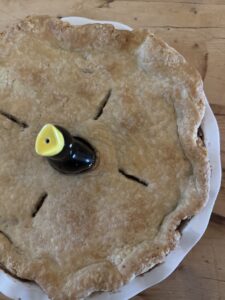
- Pie bird (optional)
- Parchment paper & pie weights (or dry beans) for blind baking
- Piece of plastic wrap, cling wrap, or freezer bag for storing dough
Make your own sourdough starter using this step-by-step guide

This post contains affiliate links, which means I make a small commission at no extra cost to you. Please read our disclosure policy.
Hey friends, please don't forget to follow me over on Instagram! I post more photos and ideas over there. If you enjoyed this recipe, I would really appreciate it if you would review it so others can find it and cook it as well. Sharing this recipe on Facebook or Pinterest is another great way you can help me out at not cost to you.
Ingredients You’ll Need:
There’s a few key ingredients you will need for this recipe. Most are pantry staples:
- Sourdough Starter Discard: this is unfed, extra sourdough starter. You can also use active sourdough starter if you prefer. Either way, you will get a subtle tang from the sourdough discard.
- Flour: I used all-purpose flour, but you can also use whole wheat flour
- Butter: I use unsalted butter for this recipe. Cut into chunks.
- Sugar
- Salt
- Water

Try this Cinnamon Sugar Sourdough Bread Recipe
How To Make Sourdough Pie Crust
Mix the dry ingredients: In a large mixing bowl, whisk together all-purpose flour, salt, and sugar.

Cut in the butter into chunks: Add the cold butter chunks to the bowl. Use a pastry cutter, pastry blender, or even a food processor to work it into the dry ingredients until the butter pieces are about the size of peas.

Add the starter: Stir in your active sourdough starter or sourdough discard into the flour mixture. Use a wooden spoon to combine.

Add ice water: Drizzle in ice water until the pastry dough just comes together. Avoid over mixing. The key to a tender pie crust is minimal handling.

Chill the dough: Create a ball with the dough. Cut the dough in half, and make two discs. Wrap them in a piece of plastic wrap. Chill at least 1 hour for a single crust pie, or overnight for a flakier crust and more sourdough flavor and fermentation.

Roll the dough: On a lightly floured surface, use a floured rolling pin to roll the dough into a circle large enough for your pie plate. Transfer to the pie dish, trim excess dough, and crimp edges.

Blind baking (if needed): For blind bake crusts (like in pumpkin pie or custard pie recipes), line the bottom crust with parchment paper and fill with pie weights or dry beans. Bake until lightly golden brown.
Fill and bake: Add your pie filling for double-crust pie or single-crust pies, cover with top crust if using, brush with egg wash, and bake until golden brown.

Fermentation Tip: You can refrigerate the sourdough pie crust dough for up to 48 hours before rolling. The extended chill not only develops tangy flavor from the sourdough but also relaxes the gluten, making it easier to roll and ensuring a tender pie crust.

Apple Pie Filling Recipe
Prepare the apples
Peel and chop 8 apples into small, even pieces.
Coat with dry ingredients
In a medium bowl, toss the apples with 1/4 cup flour, 1 teaspoon of cinnamon, and a pinch of salt until evenly coated.
Cook the filling
Transfer the coated apples to a medium saucepan. Add the 1/4 cup water, 1/4 cup brown sugar, and 1/2 cup granulated sugar. Stir to combine.
Simmer until bubbly
Cook over medium heat, stirring occasionally, until the mixture becomes thick and bubbly. This usually takes about 8–10 minutes.
Fill the pie
Pour the warm filling into your prepared pie pan lined with bottom crust. Add the top crust or lattice, sealing the edges and cutting small vents.
Bake
Bake in a preheated oven at 350°F for 45 minutes, or until the crust is golden brown and the filling is bubbling.
Recipe Tip: If you’re making this filling ahead, let it cool completely before adding it to your unbaked pie crust. Warm filling can melt the cold butter in the crust, which can prevent you from getting those flaky layers. You can store the cooled filling in the fridge for up to 3 days or freeze it in a freezer bag for future baking.
Tips for the Flakiest Crust
- Remember to always start with cold ingredients. This keeps the butter from melting too soon.
- Rest your pastry dough before baking for better flaky layers.
- If you’re dough feels fragile, it helps to roll it between two sheets of parchment paper on a lightly floured surface and transfer it carefully to your pie pan.
- Use equal parts patience and gentle handling. Overworking your dough creates a tough crust.
- Chilling the dough well before shaping makes it easier to handle and will still give you a flaky crust.
- A bench scraper makes transferring and trimming dough on your work surface easier.
Troubleshooting Your Dough
Crumbly dough – Add 1 tsp cold water at a time until it comes together.
Sticky dough – Sprinkle lightly with flour while rolling.
Tough crust – Handle the dough as little as possible and keep cold ingredients cold.

FAQs:
- Can I use all discard? Yes. Using 100% sourdough starter discard works great for a sourdough discard pie crust. The discard adds that classic sourdough tang without requiring extra fermentation time. If you want the added benefits of easier digestion, use active stater.
- Can I make it gluten-free? Absolutely. Swap the all-purpose flour for your favorite 1:1 gluten-free flour blend. Because gluten-free dough can be a bit more fragile, it helps to roll it between two sheets of parchment paper on a lightly floured surface and transfer it carefully to your pie pan.
- Why poke holes in the bottom crust before baking? This helps prevent bubbles in an unbaked pie crust when you blind bake.
- How do I store extra dough in the freezer? Shape each portion into a flat dough ball or disk. Wrap tightly in a piece of plastic wrap or cling wrap, then place in a freezer bag. Label with the date and whether it’s a top crust, bottom crust, or for single crust pies.
- How long does frozen sourdough pie crust last? Up to three months without losing its flaky layers or buttery flavor.
- How do I thaw frozen crust? Transfer the wrapped dough to the fridge and let it thaw overnight. This keeps the cold butter intact so you still get that perfect flaky sourdough pie crust.
Homemade Sourdough Pie Crust
If you love homemade pie crust for sweet pies or savory recipes, this sourdough pie crust recipe is a must-try. Grab your simple ingredients and start baking… because there’s nothing better than a flaky sourdough pie crust fresh from your oven.
From one home cook to another, I hope you enjoy this recipe!
Homemade Sourdough Pie Crust
Equipment
- Mixing Bowls
- Measuring cups and spoons
- Floured rolling pin
- wooden mixing spoon
- Pastry cutter, pastry blender, or food processor
- Pie plate
- Plastic wrap
- Parchment paper & pie weights optional
Ingredients
- ½ cup Sourdough Starter Discard
- 2 cups Flour
- 1 cup Butter cold and cubed
- 1 tablespoon Sugar
- ½ teaspoon Salt
- ¼ cup Water ice
Instructions
- Mix the dry ingredients: In a large mixing bowl, whisk together all-purpose flour, salt, and sugar.
- Cut in the butter into chunks: Add the cold butter chunks to the bowl. Use a pastry cutter, pastry blender, or even a food processor to work it into the dry ingredients until the butter pieces are about the size of peas.
- Add the starter: Stir in your active sourdough starter or sourdough discard into he flour/butter mixture. Use a wooden spoon to combine.
- Add ice water: Drizzle in ice water until the pastry dough just comes together. Avoid over mixing. The key to a tender pie crust is minimal handling.
- Chill the dough: Create a ball with the dough. Cut the dough in half, and make two discs. Wrap them in a piece of plastic wrap. Chill at least 1 hour for a single crust pie, or overnight for a flakier crust and more sourdough flavor and fermentation.
- Roll the dough: On a lightly floured surface, use a floured rolling pin to roll the dough into a circle large enough for your pie plate. Transfer to the pie dish, trim excess dough, and crimp edges.
- Blind baking (if needed): For blind bake crusts (like in pumpkin pie or custard pie recipes), line the bottom crust with parchment paper and fill with pie weights or dry beans. Bake until lightly golden brown.
- Fill and bake: Add your pie filling for double-crust pie or single-crust pies, cover with top crust if using, brush with egg wash, and bake until golden brown.
Pin for later…
