
20 Easy Ideas to Save You Money on a Tight Budget
Enjoy these 20 Easy Ideas to Save You Money on a Tight Budget.
Living on a tight budget can feel overwhelming at times, especially when prices seem to rise every time you visit the grocery store or open your monthly bills. I have 5 children, so just the price of food alone is crazy!
As homemakers and mothers, we often carry the responsibility of stretching every dollar while still creating a warm and welcoming home for our families.
The good news is that saving money doesn’t always require drastic changes. Often, it’s the small changes and simple habits that make the biggest impact over time. Whether you’re trying to build an emergency fund, pay off debt, or simply make your monthly income go a little further, these practical tips can help you find financial stability without sacrificing your quality of life.

5 Simple Steps to Save Money

1. Track Your Spending
Know where your money is going.

2. Make a Budget
Give every dollar a purpose.

3. Plan Your Meals
Reduce food waste and grocery costs.

4. Start an Emergency Fund
Save a little each week.

5. Automate Your Savings
Make saving money effortless.

Small habits today can lead to big financial freedom tomorrow.
20 Easy Ideas to Save You Money on a Tight Budget
1. Create a Meal Plan Before You Grocery Shop
One of the easiest ways to reduce food waste is to create a weekly meal plan before heading to the grocery store. Planning meals around sales and ingredients you already have can make a big difference in your grocery budget.
A little prep work each week can save a lot of money by helping you avoid last-minute takeout and impulse purchases.
Enjoy this Simple Guide to Family Meal Planning on a Budget
2. Track Your Monthly Spending
The first step toward better financial planning is understanding where your money is going.
Look at your checking account, debit card purchases, and monthly expenses. You may discover spending habits that are quietly draining your budget.
Our Simple Financial Tracker is an easy-to-use Google spreadsheet that you can customize to keep track of your income, budget and spending.
3. Build a Small Emergency Fund
Unexpected costs happen to everyone. Medical bills, home repairs, and car maintenance can quickly derail a budget.
Even setting aside small amounts each week into a high-yield savings account can provide financial security when life throws surprises your way. We have had great success with our SoFi High Yield Savings Account.
4. Cut Back on Streaming Services
Many families pay for multiple streaming services they rarely use.
Review your subscriptions and keep only the ones you truly enjoy. Free alternatives through your local library can provide movies, audiobooks, and entertainment without additional monthly payments.

5. Shop With a Grocery List
Walking into a grocery store without a list often leads to impulse buy decisions.
Sticking to a list helps prevent unnecessary purchases and keeps your grocery budget on track throughout the month.
6. Compare Phone Plans
Many service providers offer promotional offers for new customers.
An online search can help you compare phone plans and find a better deal on your cell phone service. Lower monthly bills can free up extra cash each month.
7. Use Browser Extensions for Savings
Price comparison tools and browser extensions can automatically find discounts while shopping online.
This is a great way to save money without spending extra time searching for coupon codes.
8. Start a Sinking Fund
A sinking fund is simply money set aside for future expenses.
Savings for things like Christmas, a family vacation, or a new car is important. Start by creating separate savings goals that can reduce financial stress when large expenses arise.
9. Avoid High-Interest Debt
Credit card debt can quickly become overwhelming because of rising interest rates.
Focus on paying off high-interest debt first. Making extra debt repayments whenever possible can save a significant amount over the long term. We love Dave Ramsey’s debt snowball method!
10. Make Automatic Contributions
Set up an automatic transfer from your checking account to your savings account. This has been a game changer for me and my husband.
Even small amounts added consistently through automatic contributions can grow into meaningful savings over time.
You don't need more money to get started.
You just need a plan for the money you already have.
11. Look for Free Family Activities
Quality time doesn’t have to cost much money.
Many community centers, parks, and great places in your area offer free events throughout the year. A local library card can also unlock access to books, classes, and educational programs for family members.
12. Review Your Monthly Bills
Take a close look at recurring charges.
Sometimes service providers have new promotions available that existing customers don’t know about. Calling and asking for the best deal may reduce your monthly expenses.
13. Sell Items You No Longer Use
Most homes have unused items collecting dust. I know my house does!
Selling gently used furniture, clothing, or toys can generate extra money while helping declutter your home.
14. Be Mindful of Social Media Spending
Social media often encourages comparison and impulse purchases.
Limiting exposure to constant advertisements can help reduce unnecessary spending and keep your financial goals front and center. Same goes for unsubscribing from brand emails and text messages.

15. Explore Side Hustles
If your financial situation allows, side hustles can provide extra cash for specific goals.
Whether it’s freelancing, babysitting, tutoring, or selling handmade products, a little hard work can create new ways to increase your income.
16. Negotiate Lower Rates
Many companies are willing to offer a lower rate if you ask.
Insurance companies, internet providers, and even some credit card company representatives may have options available that reduce monthly payments.
17. Set Specific Financial Goals
Saving becomes easier when you know exactly what you’re working toward.
If your’e savings goal is financial stability, a family vacation, or paying off debt, clear targets help keep motivation strong. This financial tracker can help you track these financial goals.
18. Use Financial Windfalls Wisely
Tax refunds, bonuses, and unexpected gifts can feel exciting.
Instead of spending the entire amount, consider putting part of these financial windfalls toward an emergency fund, debt repayments, or long-term financial goals. It doesn’t sound fun in the moment, but you will thank yourself later!
More Inspiration: Romanticizing Frugal Living: A Guide For the Cozy Homebody
19. Reduce Variable Expenses
Variable expenses often include dining out, entertainment, and shopping.
Cutting back just a little bit in these categories can make a surprisingly big difference by the end of the month.
20. Focus on Progress, Not Perfection
One of the best tips for living on a tight budget is remembering that small works done consistently matter.
You don’t need to save huge amounts of money overnight. The important thing is creating simple ways to move forward little by little.
A skipped movie ticket here, a reduced grocery shop total there, or choosing free alternatives instead of paid entertainment may not seem like much at first. But over time, these small changes can lead to financial stability and peace of mind.

Final Thoughts on Living on a Tight Budget
If you’re currently living on a tight budget, take heart. Many families are navigating similar challenges, and there are practical steps you can take today to improve your financial situation.
Start with one or two ideas from this list. Open a high-yield savings account, set up an automatic transfer, review your monthly spending, or meal prep for the week ahead.
Remember that financial security is built slowly through intentional choices. Every dollar saved is a step toward greater financial stability, less financial stress, and more freedom to focus on what matters most.
When you’re working with a tight budget, consistency matters far more than perfection. Small faithful choices made over time often create the biggest results overall!
Grab the Simple Financial Planner
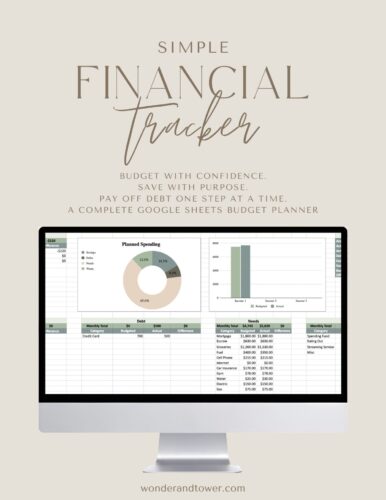
Finally know where your money is going.
Designed for busy homemakers managing real family budgets.
✔ Monthly Budget
✔ Debt Payoff
✔ Savings Goals
✔ Mortgage Tracker
✔ Easy Google Sheets Dashboard