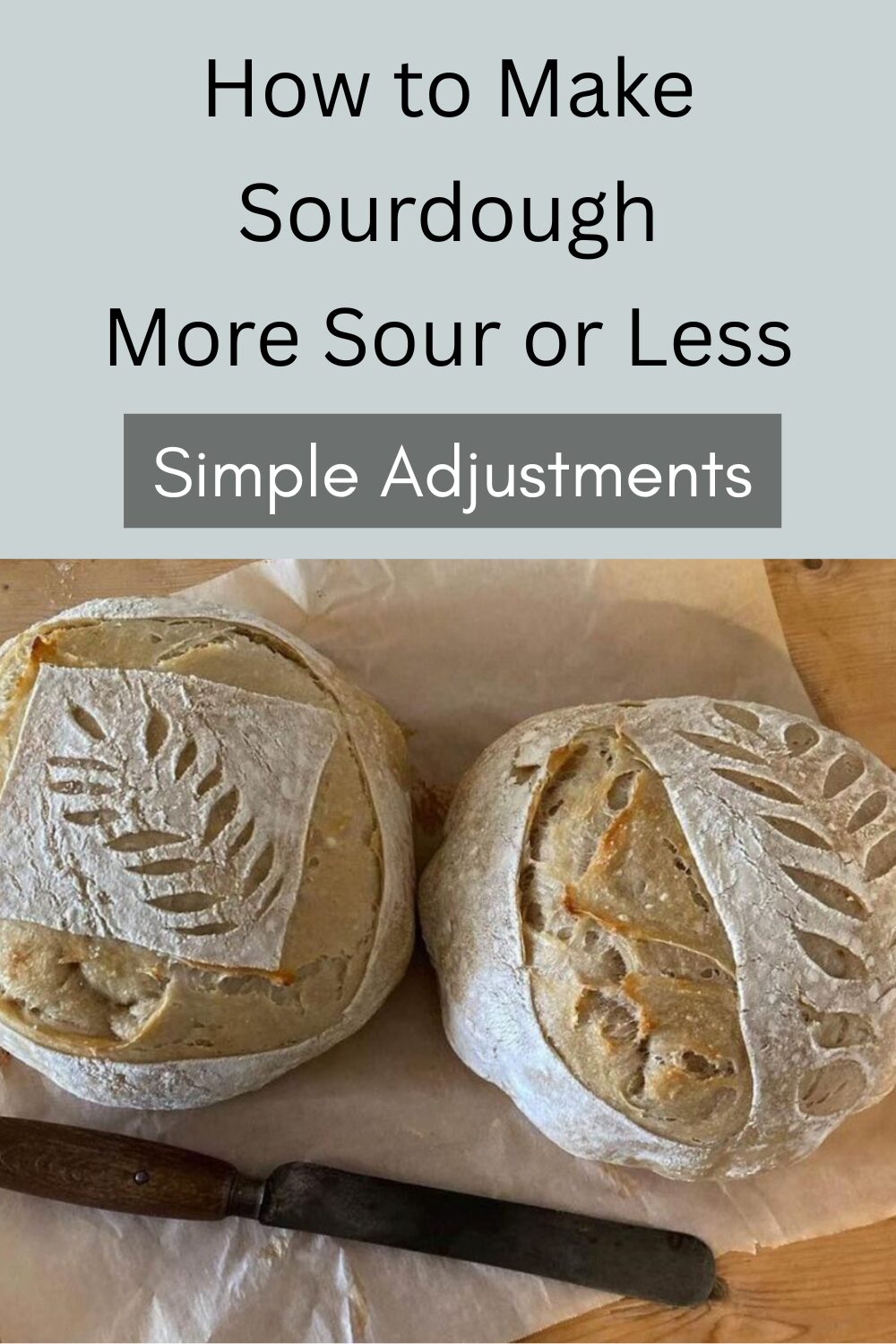
How to Make Sourdough More Sour or Less: Simple Adjustments
Tips on how to make sourdough more sour or less sour depending on your tastes.
One of the things I love most about sourdough is how customizable it is. Every loaf has its own personality, and as you bake more and learn from success stories (and a few flops), you start to notice how little adjustments can shift the sourdough taste.
If you’re curious on how to take control of the sourness of your sourdough bread, whether you want a more sour loaf or something milder, there are a few simple ways to make a big difference. The good news is that you don’t need fancy tools or a science degree. Just your sourdough starter, observation, and a willingness to try new techniques.
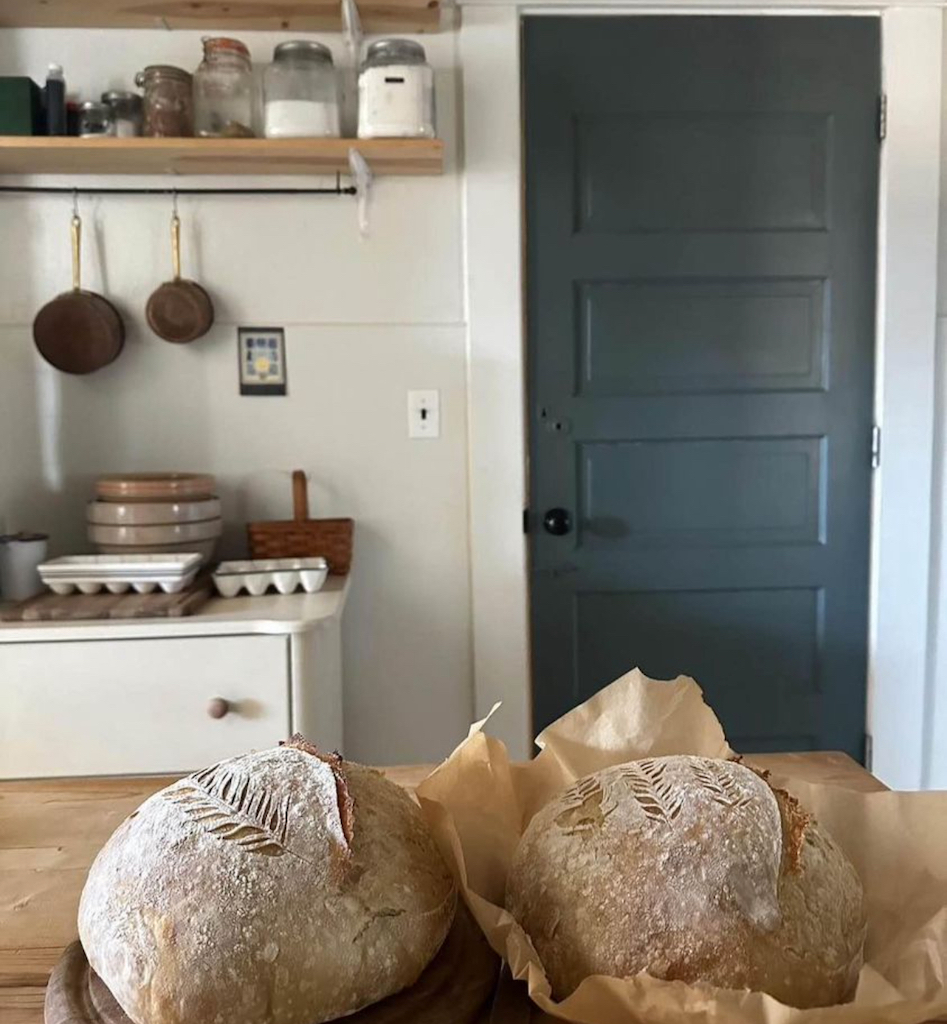
If you like this sourdough post, you’ll love trying a few of my favorite sourdough recipes too, especially my sourdough discard recipes, my fluffy sourdough blueberry muffins, or my simple sourdough bread recipe that beginners always succeed with.
Adjusting the Flavor Starts With Your Starter
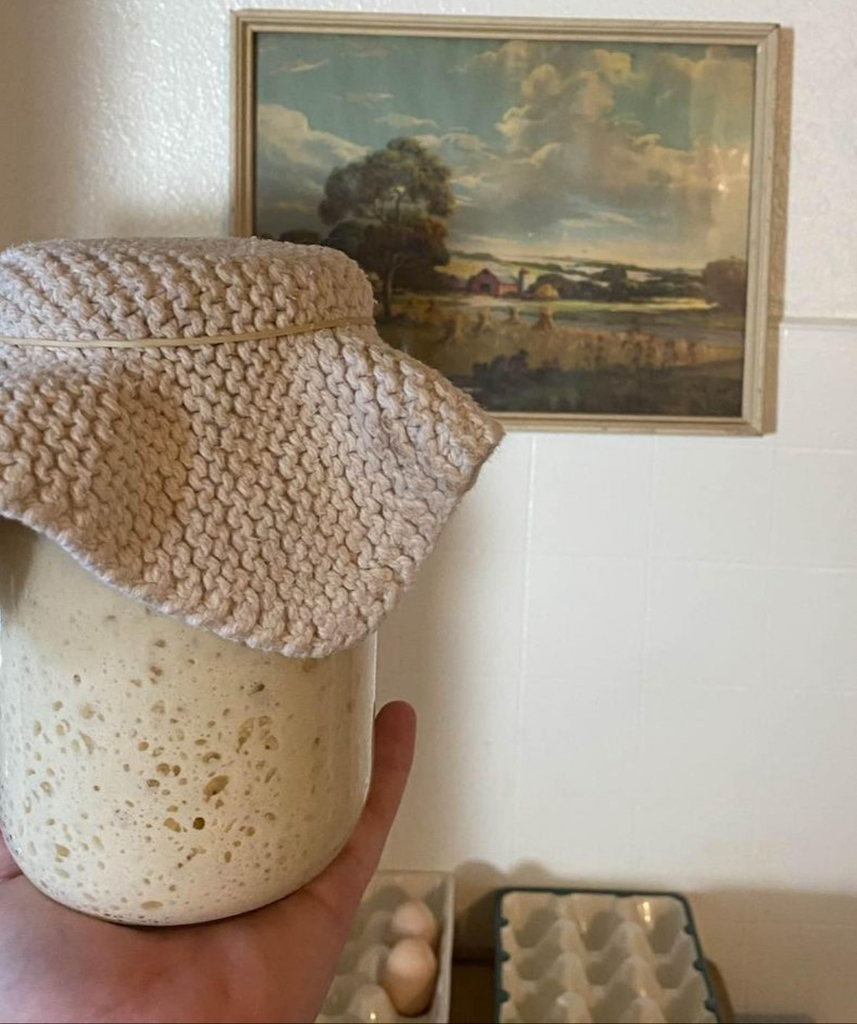
Since your starter is the heart of your homemade sourdough bread, it has the biggest impact on flavor. A lively, vigorous starter usually creates balanced loaves, while small changes on how you feed it can push the flavor either direction.
If you’re looking for more tang, try using whole grains, maybe a touch of rye flour, or even building a short-term rye starter. These grains naturally deepen flavor and strengthen acidity. For a milder loaf, stick with white flour or everyday all purpose flour.
Temperature also matters. Keeping your sourdough starter at room temperature a little longer encourages the lactic acid bacteria that contribute to a soft, yogurt-like flavor. A firmer, stiff starter tilts the flavor toward tang.
Shop Sourdough Supplies & Best Tools

Temperature is an Important Flavor Tool
Even the most experienced home bakers underestimate how much ambient temperature can shift the flavor of sourdough.
Warmer environments encourage yeast activity and speed up the fermentation process, producing mild acidity. Slightly cooler temperatures slow things down and help develop more acetic acid, the sharper acidity often associated with old-world San Francisco sourdough.
If you’re aiming for a tangier loaf, try:
- Extending your cold proof for a longer time
- Using cooler water temperature during mixing
- Letting your dough sit through a cold bulk ferment
These shifts naturally lead to more sour, tangy flavor without adding anything extra to the dough.

Related Post: Sourdough Starter Schedule: How to Feed and Maintain
Adjust Fermentation to Guide Flavor
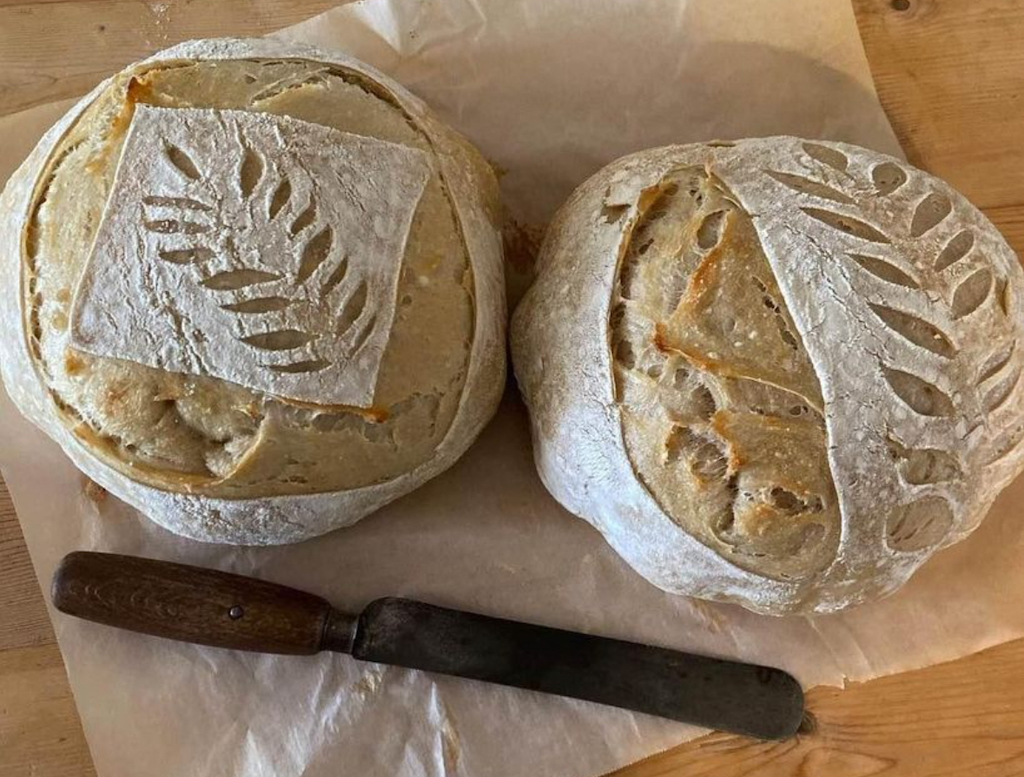
Changing your fermentation time during bulk fermentation and proofing plays a huge role in shaping the sourdough taste. When the bread dough stays cool and takes longer to ferment, natural acid producers have more time to work. Shorter fermentation leads to a milder loaf.
A few things to observe:
- How quickly your dough reaches the ideal dough rise
- Whether your oven and kitchen stay warm or cool throughout the day
- How your dough behaves during the dough rest
Extending the final dough proof builds deeper flavor, while shortening it keeps things mild. Your loaf will tell you what it needs if you watch it closely.
Want my simple sourdough care + baking guide?
Grab my FREE Sourdough Instructions Printable and learn how to bake sourdough with confidence.
Flour Choice Makes a Difference
Flour selection is one of the simplest ways to shift the flavor of sourdough. Grains with bran and germ, such as whole wheat flour or whole grain flour, bring more natural sugars and nutrients to the dough, helping develop a more pronounced tang. A little rice flour won’t add sourness but can make shaping easier and prevent sticking.
If you’re trying to reduce sourness, stick with mostly bread flour in your main dough. Different grains contribute different tastes, so pay attention to the type of flour you’re using and how it affects the sourdough bread taste.
The King Arthur website has a lot of great information on choosing the right flour for levels of flavor.
Related Post: Sourdough Starter Recipe: A Step-by-Step Daily Guide
Hydration and Other Tips
A lower or higher hydration dough or starter can also affect the sour taste. Changing hydration even slightly can change the final dough, so make adjustments gradually.
You can also experiment with:
- Using a touch of olive oil to soften sharp edges
- Reducing liquids for lower hydration doughs. A stiffer starter tends to lend a milder sourdough flavor.
The best tips are often the simplest ones you try first.
Baking for the Best Flavor
Even the baking stage affects flavor perception. A loaf baked in a dutch oven traps steam and encourages good oven spring. Steam supports the expansion of carbon dioxide created during fermentation, giving your loaf structure and helping flavor distribute evenly.
The best way to learn how baking affects flavor is by trying different methods. Some bakers swear by high heat, others love a slower bake. Your kitchen may behave differently from someone else’s, and that’s okay.
Quick Tips for Tangier or Milder Loaves
Here are a few more gentle ideas you can play with in future bakes:
- Play around with temperature, fermentation times, and cold proofing times to get the level of sour you like.
- Adding more whole grains increases acidity and adds depth of flavor.
- Following different trusted sourdough bread recipe to help you test one variable at a time.
- Baking different types of bread teaches you how ingredients interact.
Tiny tweaks often lead to the perfect loaf, and it’s always a good idea to keep notes while you learn.
Related Post: Simple Sourdough Bread Recipe
Understand How to Make Sourdough More Sour or Less
Adjusting the sourdough sour profile in your bread is all about experimenting with what you already have. Changing fermentation, playing with flour types, shifting hydration, and learning how your dough responds to temperature are all approachable ways to adjust flavor.
If you’re aiming for a bright, tangy loaf or something soft and mild, these small adjustments help you create your own sourdough style. And the good news is that each bake teaches you something new, bringing you closer to the flavors your family loves.